If your property sits low, stays damp after rain, or drains slowly, topographic surveys can make a big difference. These surveys show how the ground rises and falls across a site. More importantly, they explain how water moves. Within the first steps of planning, this knowledge helps owners avoid drainage problems that often appear too late—after rainstorms, grading, or permit review.
Many sites look dry on a sunny day. However, water behavior changes fast when storms hit or soil gets disturbed. Because of that, understanding elevation early helps you make better choices before building, buying, or redesigning a site.
Why drainage problems hide until rain or construction
Low-lying land often behaves well during dry weather. Even so, issues show up when rain falls hard or when equipment changes the ground. For example, clearing trees can remove natural barriers that slow runoff. Likewise, light grading can create shallow low points that trap water.
Because these changes seem small, many owners miss them. As a result, puddles form near foundations, water flows toward neighbors, or permits stall. A topographic survey reduces guesswork by revealing subtle elevation shifts that control drainage.
What surveyors mean by “low-lying” land
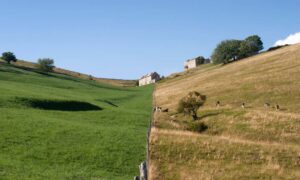
Low-lying does not always mean a floodplain. In fact, many drainage-sensitive sites sit outside mapped flood zones. Surveyors look for a few common signs:
- Very gentle slopes that slow runoff
- Nearby higher ground that pushes water inward
- Shallow depressions where water collects
- Old swales, ditches, or filled areas that changed flow
When these conditions exist, water needs guidance. Without clear paths, it pools. Therefore, understanding elevation across the entire site matters more than a quick glance.
How topographic surveys show water movement

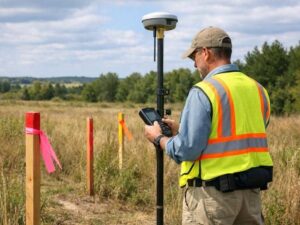
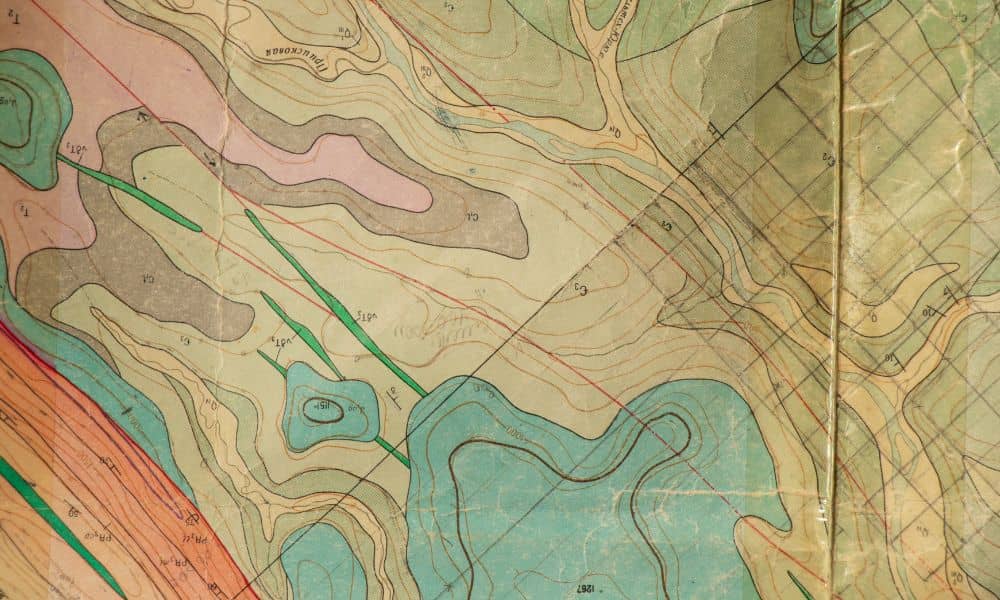
Topographic surveys do more than draw lines. They show how water wants to travel across the ground. By measuring elevations at many points, surveyors can see the direction of slope, even when it changes by inches.
Because water follows the lowest path, small changes matter. A slight rise can block flow. A shallow dip can trap runoff. With accurate elevation data, designers can plan drainage that works with the land instead of against it.
This clarity helps answer key questions early:
- Where does water enter the site?
- Where does it exit?
- Where does it slow down or pool?
Once those answers are clear, planning becomes simpler and safer.
Why flood maps alone are not enough
Flood maps play an important role. Still, they do not replace topographic surveys. Flood maps show regional risk. They do not show how water behaves across a yard, driveway, or building pad.
For example, flood maps do not capture:
- Minor elevation changes across a lot
- How a driveway redirects runoff
- How fill or landscaping altered flow
Because of that, relying on maps alone can lead to surprises. A topographic survey fills the gap by showing site-level details that plans and permits depend on.
Common drainage problems linked to missing topo data
Many drainage issues trace back to incomplete elevation information. For instance, building pads set too low often collect water. Driveways can channel runoff toward homes. Added fill may block natural flow paths. In some cases, water even moves onto neighboring properties.
These problems rarely appear on drawings without topo data. Instead, they surface after work begins. At that point, fixes cost more and delay schedules. By starting with a topographic survey, owners reduce the risk of redesigns and disputes.
When a topographic survey makes sense
Topographic surveys prove most helpful when drainage concerns exist or could develop. Consider ordering one if:
- The site sits flat or low compared to nearby land
- Water stands after storms
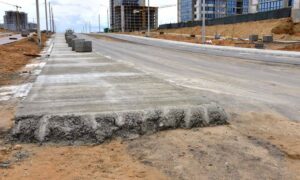
- Grading, fill, or paving is planned
- Additions, driveways, or new pads are proposed
Sometimes, another survey type fits better. Even so, surveyors often suggest topo work when elevation affects decisions. Their goal stays simple: provide the right data before problems grow.
What to tell your surveyor about drainage
Clear communication helps surveyors focus their work. When you call, share what you know. For example:
- Where water pools after rain
- How runoff enters or leaves the site
- Changes made in the past, like fill or landscaping
- Plans for construction or grading
This context allows surveyors to capture the most useful elevation points. As a result, the final map supports better planning and fewer surprises.
How topo data supports smarter decisions
With accurate elevation data, teams can plan with confidence. Engineers design drainage that fits the land. Reviewers see clear intent. Contractors know where grades must land. Because everyone works from the same information, projects move smoother.
Even for buyers, topo data adds value. It explains why a site behaves the way it does. Therefore, decisions feel informed instead of rushed.
Final takeaway:
Drainage problems often start small. Yet they grow fast once rain, grading, or construction begins. Topographic surveys reveal how water moves across low-lying and drainage-sensitive sites before issues appear.
By understanding elevation early, owners protect their investment, avoid delays, and plan with confidence. When water behavior matters—and it often does—clear elevation data makes all the difference.