You get a call from your lender or insurance agent. They tell you that you need an elevation certificate. At first, it sounds simple, so your first thought is to go ahead and order one.
However, that first step can cost you more than it should.
In Cape Coral, many homes already have an elevation certificate on file. Because of past construction, flood rules, or previous sales, the document may already exist somewhere. So before you spend money on a new one, take a minute to check if one already exists.
That small step can save time, reduce stress, and help you avoid delays later on.
Why It’s Smart to Check Before Ordering a New Elevation Certificate
Most homeowners move quickly when they hear they need an elevation certificate. That’s understandable—you want to keep things moving and avoid any issues with your loan or insurance.
Still, moving too fast can lead to extra costs.
In many cases, the certificate is already out there. Builders often submit one during construction, and previous owners may have used one for insurance or refinancing. Because of that, there’s a good chance your property already has one on record.
Before you order a new survey, it’s worth taking a quick look at what you already have and see if your current elevation certificate still works. It only takes a few minutes, and it could save you from paying for something you don’t need.
Where an Elevation Certificate May Already Be Stored
Cape Coral properties often have a paper trail. That is helpful when you need to track down an elevation certificate.
Many records sit with the city. Flood-related documents, permits, and building files often include elevation data. In addition, Lee County may store older records that do not appear in city systems.
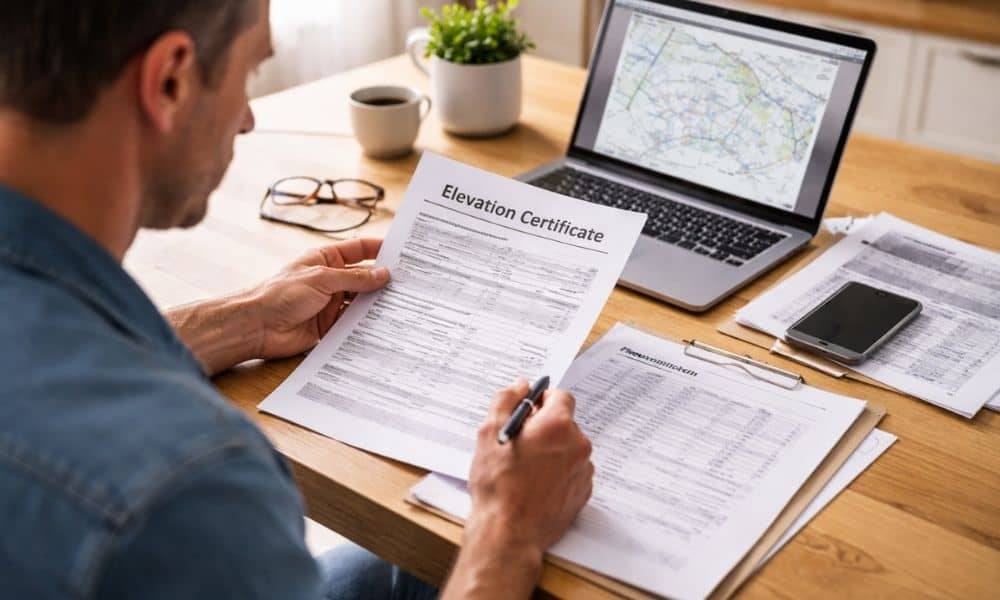
At the same time, your own paperwork may hold the answer. Closing documents, insurance files, or past reports sometimes include an elevation certificate. However, many homeowners forget to check these first.
There is also a chance that someone else already has it. Real estate agents, lenders, or builders may keep copies from earlier transactions.
Because these records exist in different places, it is worth taking a few minutes to look before moving forward.
How the Search Usually Works for Homeowners
When people start looking, they often begin with their property address. That is the easiest way to track records tied to a home.
In many cases, city tools or local offices can show flood-related information linked to the property. If an elevation certificate exists, it often appears alongside permit history or building data.
If nothing shows up at first, that does not mean the document is missing. Sometimes, older records sit at the county level. So checking more than one source gives you a better chance of finding it.
At the same time, reviewing your own files can help. Many homeowners discover the certificate after going through closing documents or insurance paperwork.
If that still doesn’t work, reaching out to people involved in past transactions can solve it quickly. Agents and lenders often have access to documents that homeowners no longer keep.
Because of this, the search is less about one place and more about checking the right places in a smart order.
How to Tell If the Elevation Certificate You Found Still Works
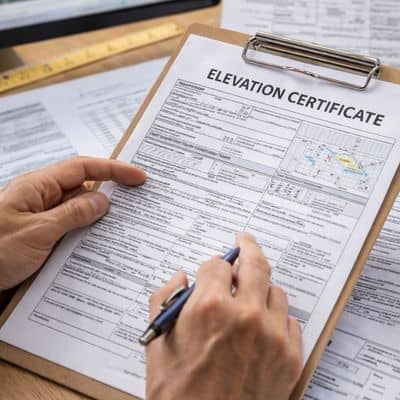
Finding an elevation certificate is a great start. However, not every document will still be valid.
First, check that the address matches your property exactly. Even small differences can cause issues later.
Next, look at the structure details. The home should match its current condition. For example, if the house was raised, expanded, or changed, the old certificate may no longer reflect reality.
Also, think about the land itself. Changes in grading or drainage can affect elevation data. If the property looks different from when the certificate was created, that matters.
If everything matches, then the document may still work for your lender or insurer. However, if anything has changed, you may need a new elevation certificate.
When You Will Still Need a New Elevation Certificate
Even after checking, there are times when ordering a new elevation certificate is the right move.
This usually happens when the property has changed. Additions, renovations, or elevation work can make an older document outdated. In other cases, the certificate may be missing key details or may not meet current requirements.
Sometimes, the issue comes from the lender or insurer. They may ask for an updated version, even if an older one exists. While that can feel frustrating, it is often part of their process.
And of course, if no record shows up anywhere, then starting fresh becomes necessary.
The key difference is this: when you check first, you make that decision with confidence instead of guessing.
Why This Step Makes a Bigger Difference Than You Think
Skipping the search may seem like a small mistake, but it can have a real impact.
A new elevation certificate takes time to schedule and complete. It also adds to your costs. If you are working on a deadline, that delay can affect your entire timeline.
On the other hand, finding an existing document can move things forward right away. You can share it with your lender or insurance provider without waiting.
Because of that, this simple step often leads to faster approvals and fewer surprises.
How a Licensed Land Surveyor Helps When You Need a New One
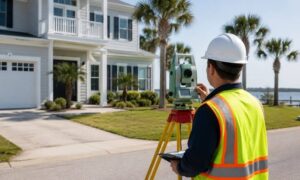
If you confirm that a new elevation certificate is needed, the next step is to work with a licensed land surveyor.
They measure your property carefully and record the elevation of your home and surrounding land. Then, they prepare a document that meets current standards.
Accuracy matters here. Even small errors can cause delays or rejection. That is why working with a professional is important.
So while you may not always need a new certificate, when you do, getting it done correctly saves time in the long run.
Final Thoughts
An elevation certificate is often required for insurance, lending, or property decisions. However, that does not mean you should order a new one right away.
In Cape Coral, many homes already have one on file. Because of that, taking time to check first can save money and prevent delays.
So before you move forward, look at what already exists. Check local records, review your documents, and ask the right people.
If you find one, you are one step ahead.
If not, you can move forward knowing you made the right call.