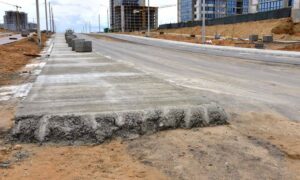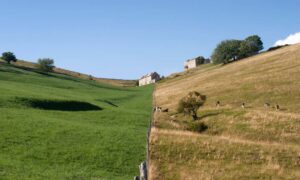
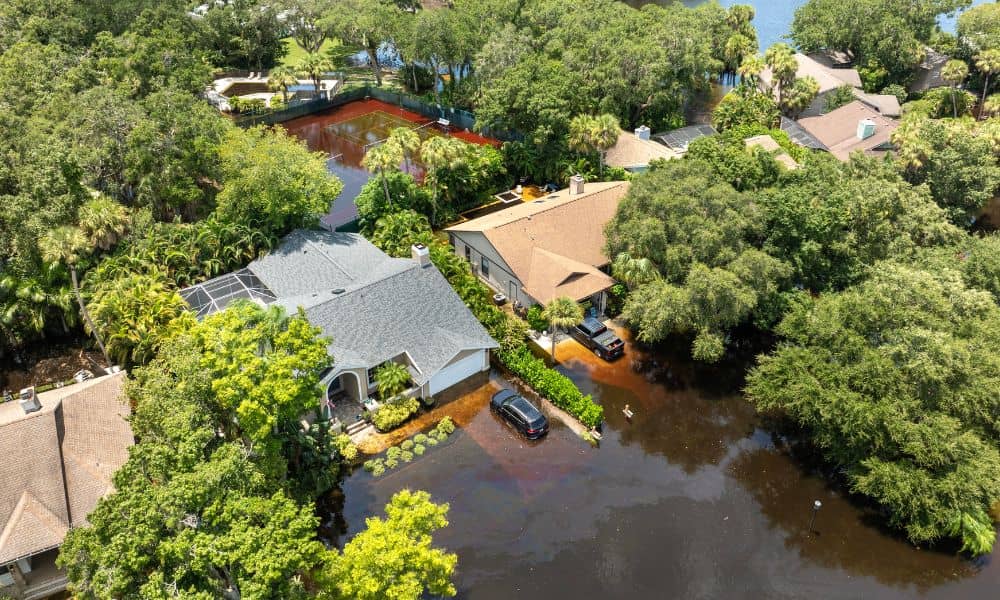
Heavy rain hit Miami-Dade again, and it didn’t take long for problems to show. Streets filled up, yards stayed wet, and some homes saw water move closer than expected. Yet just a few houses away, others stayed dry. So what caused the difference? At first glance, most lots in Hialeah look flat. However, looks can be misleading. Even small changes in elevation can shift how water moves across a property. That’s why a topographic survey plays such a big role before building begins, since it helps with understanding your property’s elevation in a way you simply can’t see by eye.
If you’re planning to build, recent flooding offers a clear warning. What you don’t see on your land can affect everything later.
When a Lot Looks Ready but Isn’t
Most property owners feel confident when they first walk their land. The ground seems level. Nothing looks out of place. In fact, everything appears ready for construction.
However, that confidence can lead to problems.
Rain reveals what dry weather hides. Water doesn’t spread evenly—it follows slopes, dips, and paths that aren’t obvious at first. As a result, a lot that looks perfect can behave very differently during a storm.
Because of this, many people move forward with plans based on what they see, not what actually exists. That’s where mistakes begin.
What Recent Flooding Exposed in Hialeah
The recent rains didn’t just cause inconvenience—they showed how land really works. In some areas, water flowed from one property to another. In others, driveways pushed water toward homes instead of away from them. Meanwhile, some yards held water longer than expected, even after the rain stopped.
These situations weren’t random. They came from how the land was shaped all along. Once you see it during a storm, you start to notice how your land actually sits, even if it looked flat before. The issue is, most people only notice these patterns after heavy rain. By then, plans may already be in motion.
That’s why recent flooding matters. It gives a real-world look at what can go wrong when land is misunderstood.
Why Small Elevation Changes Matter More Than You Think
At first, a few inches may not seem important. However, in construction, those inches can change everything.
For example, if a structure sits just a little too low, water can move toward it instead of away. In the same way, if a surface slopes the wrong way, it can guide water straight to areas you want to keep dry.
Over time, these small issues grow into larger problems. You may start to see water pooling, soft ground, or even damage near the foundation.
Because of this, elevation is not just a detail—it’s a key part of building the right way.
The Cost of Finding Out Too Late
When elevation problems show up after planning, they create delays. First, designs may need to change. Then, permits can take longer. After that, construction crews may need to adjust grading or bring in extra material.
Each step adds time and cost.
In some cases, issues don’t appear until after construction finishes. That makes fixes even harder. Instead of simple adjustments, you may face larger repairs or long-term drainage work.
As a result, what seemed like a small oversight can turn into a major expense.
How a Topographic Survey Helps You Plan Smarter
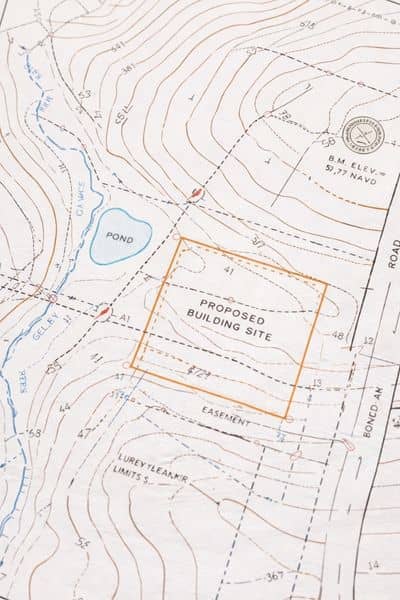
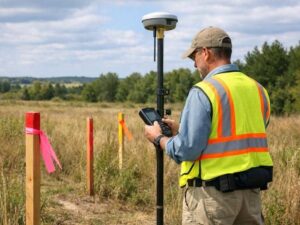
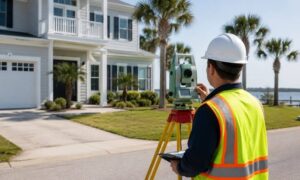
A topographic survey gives you a clear picture of your land before building starts. It shows how the ground rises and falls, even in places where it looks flat.
With that information, you can make better choices early.
For instance, you can decide the right height for your structure. You can also shape the land so water moves away from key areas. Because of this, your design works with the land instead of against it.
More importantly, you avoid guessing.
Instead of reacting to problems later, you prevent them from the start.
Building with Confidence in South Florida
South Florida brings unique challenges. Rain can arrive quickly, and when it does, it often comes in large amounts. Because of this, even small elevation issues can lead to noticeable problems.
That’s why planning ahead matters so much.
When you start with accurate site data, you reduce risk. You also create a smoother path from design to construction. In turn, your project stays on track and avoids unexpected setbacks.
A topographic survey supports that process by giving you the insight you need from day one.
Why This Matters for Your Project in Hialeah
Whether you’re building a home, adding to a property, or starting a new development, your land plays a major role in the outcome.
Even smaller projects can run into issues if elevation isn’t considered. That’s why it’s important to understand your site before making decisions.
Recent flooding showed how quickly problems can appear. However, it also showed something else—these issues can often be avoided with the right planning.
A Smarter First Step Before You Build
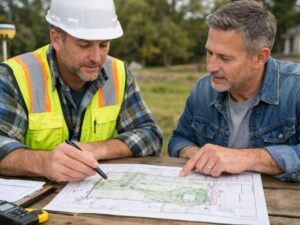
Every project starts with a decision. You can either move forward based on what you see, or you can take the time to understand what’s really there.
A topographic survey helps you choose the second path.
It gives you clear, reliable information about your land. It helps you plan with confidence. Most of all, it helps you avoid surprises that show up when it’s too late to fix them easily.
In a place like Hialeah, where weather can change quickly, that kind of preparation makes a real difference.
Final Thoughts
Recent flooding in Miami-Dade served as a reminder. Land doesn’t always behave the way it looks. What seems flat can still create problems when conditions change.
Because of this, building without proper site knowledge carries risk.
A topographic survey helps remove that uncertainty. It gives you the insight needed to plan wisely, build correctly, and protect your investment over time.
Before you move forward with your project, take a moment to understand your land. It’s one step that can save you from many problems later.