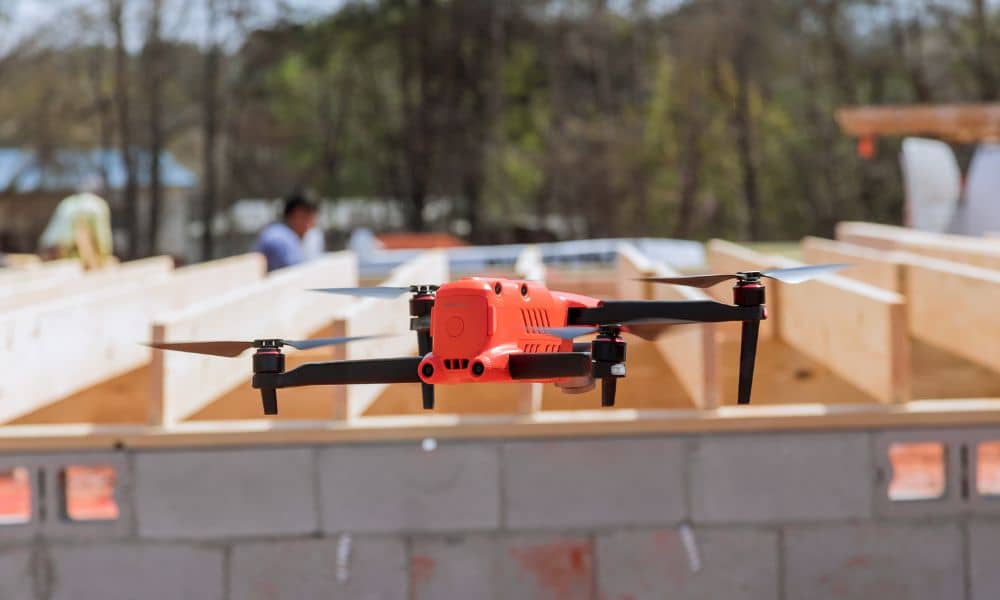
Drone surveying is growing fast, and it’s no longer something only tech-forward companies use. All over the world, cities are using drones to map land, update records, and plan smarter. A recent example came from Panchkula, India, where the local government used drones to survey the entire city and modernize every parcel. This might feel far away, but it shows a major shift that will soon shape construction and subdivision planning here in the United States.
Even though the news came from another country, the message is simple: drone surveying is now a global standard. When governments use drones at this level, it proves the technology is ready for everyday use. Builders, developers, and property owners in the U.S. should pay attention because this change affects how future projects will be planned and built.
Global Adoption Is the Big Signal
The project in Panchkula made headlines because it wasn’t a small test. The city flew drones over large areas to capture clear images, check parcel boundaries, and create fresh 3D maps. Their goal was to replace old records that didn’t match what was actually on the ground. These records caused delays, confusion, and the kind of disputes many U.S. cities still deal with today.
Seeing a city solve these problems with drone mapping matters. Here in the U.S., fast-growing suburbs, coastal areas, and rural counties also have records that are outdated or unclear. Builders often find slopes, missing markers, or land issues they didn’t expect. When a city overseas fixes all this with drone surveying, it shows what could soon happen here on a bigger scale.
This global shift gives the U.S. a look at what the future could be.
How Drone Surveying Works for Real Projects
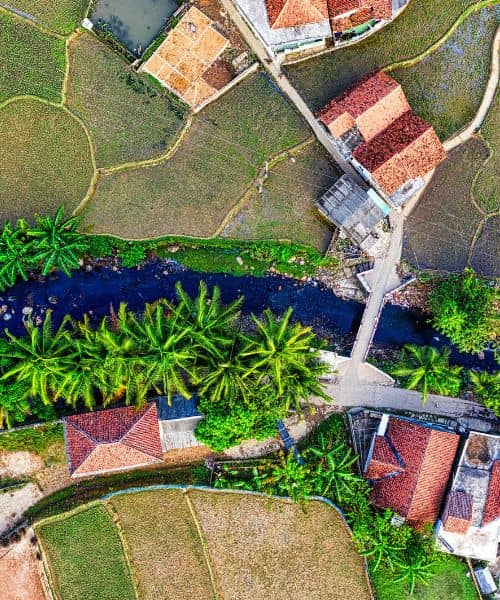
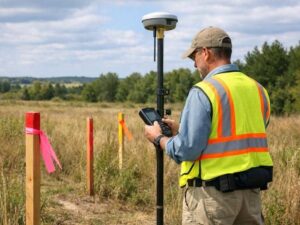
Drone surveying is simple to understand. A drone flies over the land and takes hundreds or thousands of photos. These photos overlap. Mapping software turns them into a detailed 2D or 3D model. Surveyors also place ground control points so the map is accurate in real-world coordinates.
The result is a full picture of the land. Developers see the terrain, tree cover, water movement, and other features that are hard to spot from the ground. Engineers understand slopes and elevation early. Builders catch grading issues before they start work. While drones don’t replace licensed surveyors, the data they capture helps teams plan better and faster.
Why Global Adoption Matters for U.S. Developers
When a government overseas uses drone surveying for an entire city, it shows the world that the technology works well. This has a direct impact on how American projects move forward.
Faster Site Feasibility Checks: Developers often spend weeks getting the information they need before making decisions. Drone surveying speeds this up by capturing the entire property in one flight. Teams spot issues early, like uneven land or drainage problems, and can act before they turn into delays.
Better Accuracy for Pre-Design: Subdivision design depends on good elevation data. Drone maps help engineers place homes, roads, and utilities with better accuracy. This cuts down on changes later, which saves money and time.
Improved Planning for Coastal Areas: Coastal areas like Panama City, Florida deal with floods,
soft soil, and shifting terrain. Drone surveying shows natural low points, dune patterns, and water flow. This helps builders design safer pads, better drainage, and smarter road layouts.
A Smoother Project Workflow: When everyone sees the same clear map—surveyors, engineers, contractors, even landowners—projects run smoother. There are fewer surprises and fewer changes during construction.
Lessons the U.S. Can Learn from Global Digitization
The drone survey wasn’t just about making new maps. It was about building accurate land records. Many countries are moving toward digital land systems because they lower conflicts and make planning easier. The U.S. can learn from this.
Clean records reduce boundary confusion. When every lot is mapped in detail, people fight less over lines and markers. Property sales also move faster when the information is clear. Drone maps help with planning for flood zones, environmental rules, and new neighborhood layouts.
As more countries adopt drone surveying, expectations rise. Clients want faster results and easy-to-understand visuals. Drone surveying gives them both.
How Drone Surveying Supports Subdivision Growth
Subdivision growth depends on good information from the start. Drone surveying gives developers a strong foundation.
It helps planners place roads, sidewalks, and home sites in smarter locations. It also helps builders understand how stormwater will move across the land. Earthwork is one of the biggest costs in subdivision building, and drone data makes soil cut-and-fill planning more accurate. Better estimates mean fewer expensive surprises later.
Drone imagery also shows wetlands, trees, and water channels that could affect the project. When teams understand the land early, they avoid delays and reduce risk.
What Areas Like Panama City Can Expect
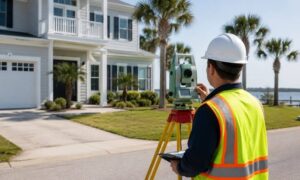
Panama City is growing quickly, and new neighborhoods are being planned every year. Builders here need accurate data because the land can change fast, especially after storms or heavy rain. Drone surveying helps by giving a clear picture of how the land looks today—not how it looked years ago.
This helps with uneven lots, wooded land, coastal edges, and areas near wetlands. With better information, builders place homes and roads in safer, more efficient locations.
What Clients Should Look For
Property owners and developers benefit from working with surveyors who know how to use drone data well. Look for professionals who give clear maps, simple 3D images, and helpful explanations. Good communication matters as much as good mapping.
Final Thoughts:
Drone surveying is growing from a helpful tool into a normal part of construction and land development. As more cities around the world use drones to map land and update records, the standard for speed and accuracy rises. U.S. developers who use drone technology early get faster insights, better planning, and more predictable results.
The future of land development is clearer when you can see it from above—and drone surveying is leading the way.