Many homeowners think they can reuse old plans or past surveys when they need a FEMA elevation certificate. That idea sounds reasonable at first. The property has not moved, so the records should still work. However, elevation certificates do not work that way. In many cases, old property records cannot support a valid certificate. Instead, a new survey is needed to confirm what exists on the property today.
Why Old Property Records Often Fall Short
Property records show what a site looked like in the past. Elevation certificates must show current conditions. This difference causes many problems.
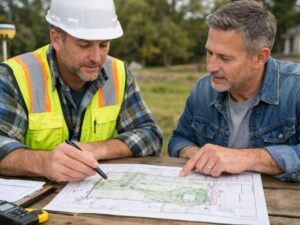
Recorded plats, older surveys, and builder drawings usually show lot lines and basic features. They rarely show exact floor heights or ground levels next to the building. Because of that, these records cannot confirm where a building sits today compared to flood elevations.
For this reason, lenders, permit offices, and review agencies often reject certificates based on old data. They want measurements taken in the field, not numbers copied from paperwork.
What a FEMA Elevation Certificate Actually Depends On
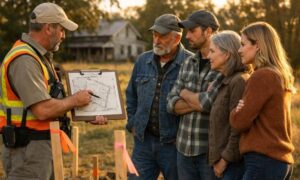
A FEMA elevation certificate depends on measurements taken on the property. Someone must visit the site and measure it using accepted tools and reference points.
These measurements confirm the height of the lowest finished floor, the lowest ground next to the building, and how the structure relates to official elevation control. Without this proof, the certificate cannot be trusted. Even if the numbers look correct, they still need verification. That is why old records alone do not meet the requirement.
Situations That Require a New Survey
Some situations make a new survey necessary right away. When any of these occur, old records often lead to delays.
Changes to the structure are one reason. Additions, enclosed garages, raised slabs, or new entryways all affect elevation measurements. Even small changes can make older data unusable.
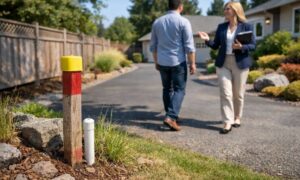
Changes to the site also matter. Grading, added fill, driveway work, or drainage updates change ground levels near the building. Since elevation certificates show how close water could reach, these changes must be measured again.
In some cases, certificates were created using plans instead of field measurements. Today, reviewers expect measurements from the actual site. Plans alone are not enough.
Certificates without proper professional approval also cause problems. If a licensed surveyor did not certify the data, a new survey is usually required.
Why Recorded Plats and GIS Data Are Not Enough
Many homeowners try to use recorded plats or county GIS data to avoid a new survey. These tools help with general information, but they lack accuracy.
Plats focus on property lines, not building height. GIS data estimates elevation across wide areas, not a single structure. Because of that, neither source can replace on-site measurements.
A simple way to think about it is this: a map shows the area, but a survey measures your exact building.
What a New Survey Actually Provides
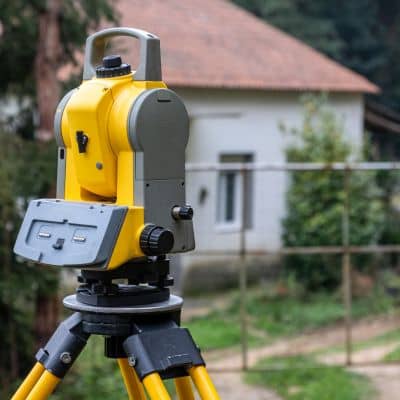
A new survey does more than update numbers. It confirms real conditions on the property.
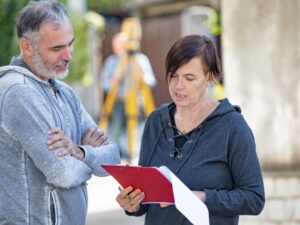
During the survey, the surveyor checks elevation control, measures the building and nearby ground, and confirms that everything matches what exists today. The surveyor then certifies the results.
Because of this process, the FEMA elevation certificate stands up to review. This helps avoid last-minute problems.
Common Reasons Elevation Certificates Get Questioned
Even when a certificate is submitted, reviewers often find issues. Most problems come from outdated or incomplete information.
Photos may not match the current structure. Measurements may come from plans instead of field work. Certification details may be missing. Sometimes, the site itself no longer matches the certificate.
When these problems appear, reviewers usually ask for a new survey. Until that happens, the process stops.
Real Situations Homeowners and Buyers Face
These issues affect real people and real timelines.
A buyer may reach the final days before closing and learn the certificate uses old data. A permit office may pause a renovation because the elevation details no longer match the site. A lender may reject builder-provided elevations without field proof.
In each case, the fix is the same. A new survey is ordered, and the certificate is updated. When this happens late, delays and stress increase.
How to Tell If Your Certificate Depends on a New Survey
You do not need special training to spot warning signs. A few questions help.
Does the certificate match the current building and site? Were measurements taken on the property instead of copied from plans? Is a licensed surveyor’s approval included? Do the photos show what exists today?
If any answer seems unclear, a new survey may be needed.
Why Acting Early Prevents Bigger Delays
Many people wait until someone demands a new survey. By then, deadlines feel tight. Ordering a survey early keeps things moving.
When elevation details are confirmed upfront, closings move faster, permits stay on track, and fewer revisions are needed. This early step reduces stress for everyone involved.
The Role of a Licensed Land Surveyor
A licensed land surveyor does more than measure numbers. They confirm and certify elevation data. This responsibility gives agencies confidence in the results.
Working with a qualified surveyor helps prevent future problems. It ensures the certificate reflects real conditions, not assumptions.
Final Thoughts
Old property records describe the past. A FEMA elevation certificate must reflect what exists today. When conditions change, old paperwork cannot keep up.
Knowing when a new survey is required helps avoid delays, rejected documents, and last-minute surprises. Before relying on older records, take time to consider what has changed. Accurate, current measurements often make the difference between smooth progress and stalled plans.