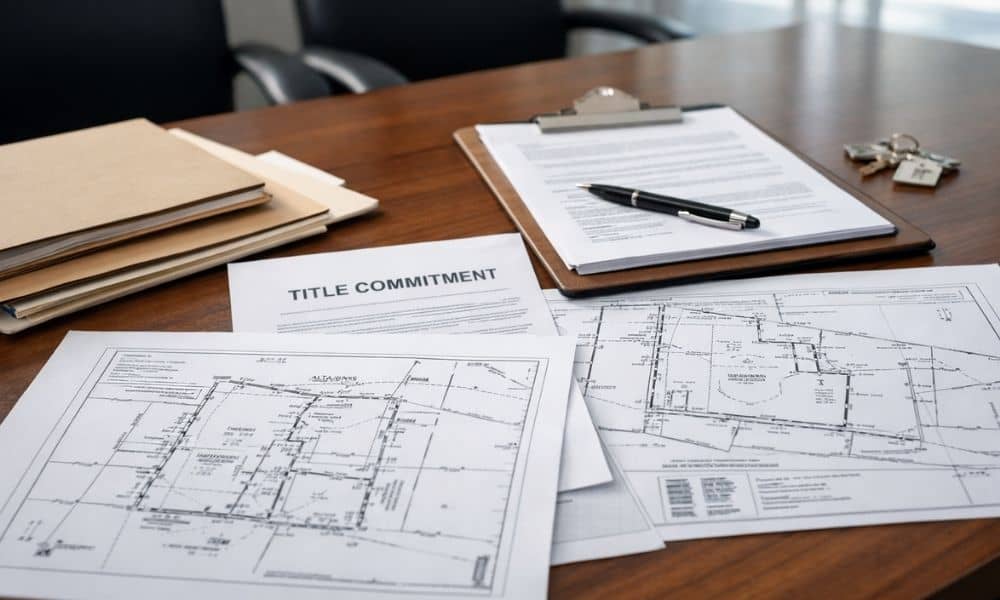
If you are buying, selling, or refinancing property, you may hear more people talking about the 2026 ALTA land survey standards. At first glance, this may sound like a technical update meant only for surveyors. However, in reality, these changes can affect how fast your deal closes, how much it costs, and how smooth the process feels overall.
Even buyers who have ordered ALTA surveys before may notice things feel different in 2026. That is because the standards that guide how these surveys are reviewed and accepted have shifted. As a result, expectations at the closing table have shifted too.
Why This Update Matters Now
In the past, many property deals moved forward once the ALTA land survey was delivered. Today, that is no longer enough. Lenders and title companies now review surveys more closely. Because of the 2026 standard changes, they expect clearer details and tighter alignment with title records.
So, while surveys may still look familiar, the way they are evaluated has changed. As a result, deals that once closed smoothly may now slow down if everyone is not prepared.
What Changed in the 2026 ALTA Land Survey Standards
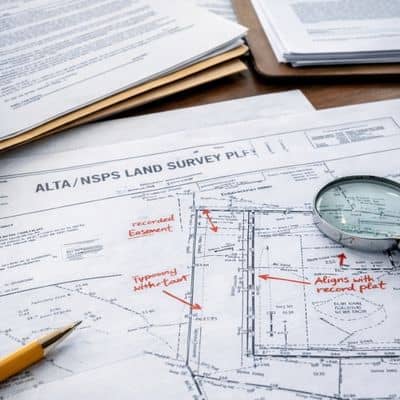
The 2026 updates did not reinvent the ALTA land survey. Instead, they refined how information must be shown and supported. The goal is consistency. Survey details must now line up more clearly with recorded documents and title commitments.
In addition, reviewers now expect fewer assumptions. Survey data must clearly explain what is shown and why it appears that way. Because of this, surveys that once passed review without questions may now trigger follow-ups.
These changes aim to reduce disputes later. However, they can create friction upfront if the process does not adjust.
Why Closings Feel the Impact First
Although the standards affect how surveys are prepared, the real impact shows up during closing. That is because lenders and title companies rely on the ALTA land survey to manage risk. If something looks unclear, they pause.
For example, a lender may ask for clarification before releasing funds. Meanwhile, a title company may delay endorsements until questions are resolved. Even if the survey is accurate, the deal can stall while updates or explanations are requested.
This can surprise buyers who think the survey step is already complete.
Common Closing Delays Buyers Are Seeing
Many transactions now face similar issues. First, surveys may need revisions after delivery. This often happens when title documents arrive late or change mid-process.
Next, additional survey items may be requested during underwriting. While these items are common, requesting them late can slow things down. Each revision adds time.
Finally, some deals face re-review cycles. Each time a survey changes, lenders and title companies review it again. As a result, closing dates move.
Why Jacksonville Deals Feel This More
Jacksonville properties often come with layered histories. Older plats, shared access, and long-standing utility rights can complicate review. While these issues are not new, the new standards highlight them more clearly.
Because of this, survey reviewers now expect cleaner explanations and better alignment with recorded information. Local experience matters more than ever. Surveyors who know land patterns can address concerns early instead of reacting late.
What Buyers and Sellers Should Do Differently in 2026
The biggest change is timing. Buyers should order their ALTA land survey earlier than before. Doing so allows room for review and updates without pressure.
Also, sharing title commitments early helps avoid surprises. When surveyors and title teams work together from the start, revisions stay minimal.
Most importantly, everyone should treat the survey as a closing document, not just a formality. Clear communication reduces stress and protects timelines.
The Cost of Treating This Like Business as Usual
Some buyers rely on past experience. However, old habits may now lead to delays. When survey updates happen late, costs increase. Stress rises. Deals feel rushed.
On the other hand, planning early keeps control in your hands. While the standards changed, smart preparation keeps closings on track.
Final Thoughts
The 2026 ALTA land survey standards did not create new rules to make deals harder. Instead, they raised expectations for clarity and consistency. For buyers, the key is awareness.
When you understand how these changes affect review and timing, you can plan better. With the right preparation and coordination, your closing can still move forward smoothly.
In the end, the survey is not just a map. It is a critical part of a successful closing.