Why LiDAR Mapping Matters for Florida Wetland Projects

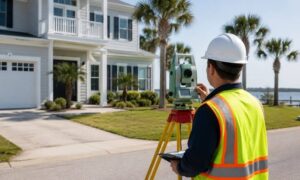
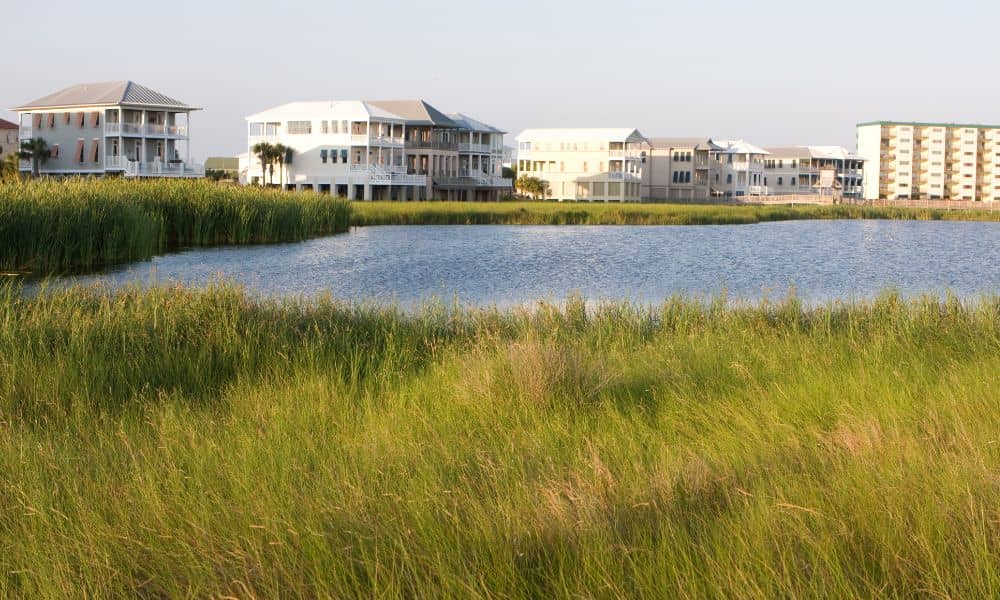
Wetland area next to residential development, highlighting the importance of LiDAR mapping for accurate wetland delineation in Florida

Florida has lots of wetlands, swamps, and marshes. These areas are important for the environment, but they can make land development tricky. That’s why LiDAR mapping has become an essential tool for identifying wetland boundaries quickly and accurately. Before anyone can build on land in Florida, they need to find out exactly where the wetlands are—a process known as wetland delineation.

Why Wetlands Are Hard to Map in Florida

Mapping wetlands in Florida isn’t easy. Here’s why:

  • The land is very flat, so it’s hard to see where wetlands begin and end.
  • Water levels change during the year, which makes it harder to measure.
  • Trees and plants can block the view from above.
  • Traditional mapping methods can take a long time and might miss details.

That’s why better tools are needed—and that’s where LiDAR comes in.

What Is LiDAR and How Does It Work?

LiDAR stands for Light Detection and Ranging. It’s a tool that sends out laser beams from an airplane or drone. These beams bounce off the ground and come back with exact information about the land’s shape.

This data is used to make 3D maps that show small hills, dips, and flat spots—even under trees or in areas with water. This is super helpful when looking for wetlands in Florida.

How LiDAR Helps with Wetland Mapping

Using LiDAR can save time and give more accurate results. Here’s how:

  • It shows tiny changes in the land’s height, which helps find wetland edges.
  • It lets teams look at big areas quickly before visiting in person.
  • It helps planners focus only on the areas they really need to check.
  • It saves time and money on surveys and makes the process faster.

This level of precision makes wetland delineation far more reliable, especially when backed by high-resolution topographic and elevation data gathered from advanced mapping technologies.

Why It Matters for Permits

In Florida, you need special permits to build near wetlands. Government agencies want proof that you know where the wet areas are. This is where high-accuracy tools like LiDAR help by providing solid, detailed maps. These maps support elevation mapping for wetlands, giving regulators the data they need to verify project boundaries and protect sensitive ecosystems.

LiDAR helps by giving solid, detailed maps that are easier to check and approve. This makes it easier to:

  • Plan your project
  • Submit documents
  • Avoid long delays

Having the right data the first time can make a big difference.

Final Thoughts

Florida’s wetlands are a big part of the state’s landscape—and they need to be treated with care. Whether you’re working on a construction project, doing an environmental study, or applying for a permit, knowing exactly where wetlands are is very important.

LiDAR mapping gives you a faster, clearer way to see the land and understand where wet zones begin and end. When used along with in-person checks, it helps make smarter, safer decisions for both people and the environment.

If your project involves Florida wetlands, using LiDAR is one of the best ways to stay accurate, save time, and stay on the right side of the law.

author avatar
Surveyor

More Posts

Surveyor measuring property lines during a lot survey before permit and design work
boundary surveying
Surveyor

New Approval Rules Now Require a Lot Survey First

Florida is moving toward faster permit and development approvals. That sounds like great news for property owners and builders. However, there’s a catch that many people miss. Faster approvals only work when your documents are complete and accurate from the start. Because of that, one document now matters more than

Read More »
Surveyor measuring a house foundation for an elevation certificate
flood damage
Surveyor

Don’t Order an Elevation Certificate Before This

Many homeowners feel shocked when their flood insurance quote arrives. The number often looks higher than expected, and the agent says, “You may need an elevation certificate.” At that point, most people rush to order one right away. However, that first step often happens too soon. Insurance estimates often rely

Read More »
Lidar mapping data being collected by a drone during an aerial land survey with surveyors reviewing point cloud information
land surveying
Surveyor

Why Ethical Backlash Is Changing How LiDAR Mapping Is Used

LiDAR mapping has become a trusted way to understand land. It helps professionals see details that are hard to spot from the ground. Over the years, it has supported planning, design, and decision-making across many industries. Because of this, many people assumed LiDAR data was always safe to use as

Read More »
ALTA land survey documents reviewed during a commercial property closing with title paperwork and site plans
alta survey
Surveyor

How 2026 ALTA Land Survey Changes Delay Property Closings

If you are buying, selling, or refinancing property, you may hear more people talking about the 2026 ALTA land survey standards. At first glance, this may sound like a technical update meant only for surveyors. However, in reality, these changes can affect how fast your deal closes, how much it

Read More »
Survey equipment positioned near a shoreline to document a property boundary survey in a coastal area
boundary surveying
Surveyor

Property Boundary Survey: Protecting Your Land Rights

When a beach access dispute surfaced in St. Petersburg, it caught attention fast. The debate wasn’t really about sand or signs. Instead, it exposed a bigger issue many property owners overlook: when land gets used openly by the public, people start assuming who owns it. Over time, those assumptions harden

Read More »
Construction surveyor measuring trench depth and site layout before excavation
land surveying
Surveyor

Trench Rescue Lessons: Why Construction Survey Accuracy

When news broke about a trench rescue at a construction site in Safety Harbor, many people in the construction world stopped and paid attention. A worker had become trapped during excavation, and emergency crews had to step in quickly. Thankfully, the situation did not end worse. Still, the incident raised

Read More »