
Florida is moving toward faster permit and development approvals. That sounds like great news for property owners and builders. However, there’s a catch that many people miss. Faster approvals only work when your documents are complete and accurate from the start. Because of that, one document now matters more than ever: a lot survey.
In the past, some owners ordered a survey later in the process. Today, that approach can quickly cause delays. Reviewers now expect clean boundaries and site data early. So if you want your project to move forward smoothly, a lot survey should be your first step, not your last.
Faster Reviews Don’t Mean Fewer Requirements
Many people hear “faster approvals” and assume rules are getting easier. In reality, the opposite often happens. Review teams move faster, but they reject incomplete submissions sooner. In other words, speed increases — tolerance drops.
For example, if you submit a site plan without verified boundaries, reviewers won’t guess. Instead, they stop the review and ask for proof. That alone can push your timeline back by weeks.
A lot survey give officials verified dimensions, boundary lines, and visible improvements. Therefore, your application starts strong instead of landing in a correction pile.
Why a Lot Survey Now Comes First
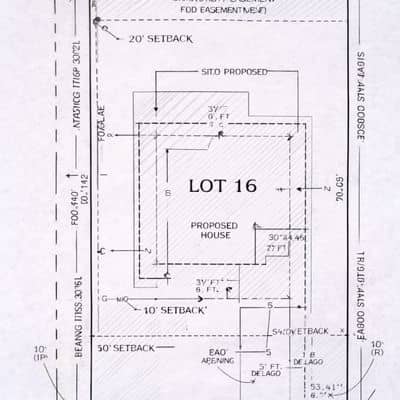
A lot survey do more than show property lines. It creates the base layer for almost every approval decision. Because of that, reviewers and designers rely on it early.
First, it confirms the true buildable area. You see exact boundary lines, not fence guesses or map sketches. Next, it shows setbacks and edge distances. That helps designers place structures correctly the first time.
Also, it reveals hidden problems. You might find utility easements, drainage paths, or access strips that block your planned layout. When you discover those early, you adjust once — not three times.
As a result, your design stays stable and your approval path stays cleaner.
Real Situations Where This Changes Everything
This rule shift doesn’t just affect big developers. It hits everyday property owners too.
For instance, imagine you want to build a pool. Your contractor marks a layout based on a tape measure and an online map. Later, the city review shows the pool crosses a setback line. Now you must redesign and resubmit.
Or consider a fence project. A neighbor questions the line after installation. Without a lot survey, you have no solid proof. That turns a simple project into a dispute.
Another common case involves home additions. Owners design first and survey later. Then the survey shows the wall sits too close to the boundary. The plans must change, and the permit clock resets.
So while each project differs, the pattern stays the same. No lot survey early usually means more cost later.
GIS Maps and App Lines Are Not Enough
Many buyers and owners trust online parcel maps. Those maps help with general viewing. However, they do not provide legal boundary proof.
GIS lines often shift by several feet. That may not sound like much. Still, a few feet can break a setback rule or create an encroachment issue.
A lot survey use field measurements and licensed methods. Therefore, the boundary lines hold legal weight. Reviewers accept them. Courts respect them. Neighbors can’t easily challenge them.
So while online maps help with planning, they should never replace a survey.
How a Lot Survey Speeds Up Design Work
Designers work faster when they trust their base map. That includes engineers, architects, and planners.
When a lot survey come first, the design team places improvements with confidence. They don’t need to guess distances or redraw layouts later. As a result, you avoid repeat drafts and extra design fees.
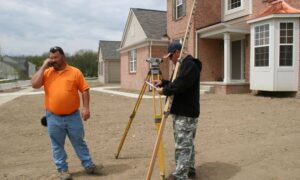
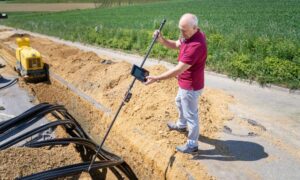
Moreover, contractors benefit too. Clear boundary data reduces layout errors in the field. Crews place stakes and forms correctly the first time.
In short, one early survey supports every downstream step.
Projects That Should Always Start With a Lot Survey
Some owners still ask when they truly need a survey. While each case varies, certain projects almost always require one upfront.
For example:
- New home construction
- Home additions
- Pools and outdoor structures
- Fence installations
- Lot splits
- Subdivision planning
- Property purchases with due diligence
- Permit-based improvements
If your project touches a boundary, setback, or placement rule, start with a lot survey.
What Happens When You Skip It
Skipping a lot survey rarely saves money. Instead, it shifts cost to later stages where fixes cost more.
First, reviewers issue correction notices. Next, designers must revise drawings. Then contractors adjust layouts. Meanwhile, schedules slip.
You might also face neighbor complaints or title surprises. That creates stress and legal risk.
On the other hand, a survey upfront acts like insurance. It catches problems while they’re still cheap to fix.
How to Prepare Before Ordering a Lot Survey
You can also help your survey move faster with simple prep.
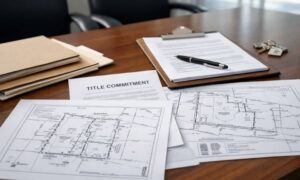
Gather your deed and legal description. Next, share any old surveys you have. Then provide your title report if available. Also, point out known corners, fences, or markers on site.
Finally, tell the surveyor your project goal. For example, say whether you plan a fence, pool, or addition. That helps them tailor the deliverable to your real need.
Good prep leads to faster field work and clearer results.
The New Reality: Surveys Enable Speed
Florida’s approval environment now rewards accuracy at the start. Faster review systems don’t remove steps — they compress them. Therefore, missing data causes instant slowdowns.
A lot survey no longer sit in the “optional later” category. It now acts as a speed tool, a risk shield, and a design foundation.
If you plan any improvement, purchase, or permit submission, start there. You’ll reduce surprises, protect your budget, and keep your timeline intact.
In today’s faster approval world, the smartest first move is still the simplest one: get the lot survey done early.