
If you are buying commercial property, a due diligence survey can make or break your loan approval. Many deals do not fall apart because of price or financing terms. Instead, they stall when the lender reviews the survey and finds gaps, conflicts, or outdated information. Because of that, understanding what lenders expect today can save you weeks of delay—and sometimes save the deal itself.
Orlando’s commercial market moves fast. Properties change hands, get redeveloped, and get refinanced all the time. As a result, lenders rely on surveys more than ever to confirm risk before they release funds. A due diligence survey is no longer just paperwork. It is a key part of underwriting.
Why lenders care so much about surveys now
In simple terms, lenders want certainty. They need to know exactly what is being used as collateral for the loan. While buyers often focus on location and income potential, lenders focus on boundaries, access, and legal limits that could affect long-term value.
Over the last few years, survey standards have tightened. Title companies and lenders now expect surveys that meet current professional standards, especially for commercial properties. During underwriting, lenders rely on the survey required by lenders before loan approval to confirm that the property lines, access points, and legal descriptions match what appears in the title records. In Orlando, where older parcels sit next to new development, those checks matter even more.
If a survey leaves questions unanswered, lenders pause. They may ask for revisions, updates, or even a full resurvey. That pause can push closing dates back by weeks and create unnecessary pressure late in the deal.
What “due diligence survey” means to a lender
Buyers and lenders often mean different things when they say “due diligence survey.” Buyers may think it means confirming property lines. Lenders, however, expect much more.
From a lender’s point of view, a due diligence survey must support the title policy, confirm legal access, and match recorded documents. It must also meet professional survey standards used in commercial lending. If the survey cannot do that, it fails its purpose.
That difference in expectations causes many delays. Buyers order a survey they believe is enough, but lenders review it and disagree. Because of that, the deal slows down.
How survey standards affect loan approval
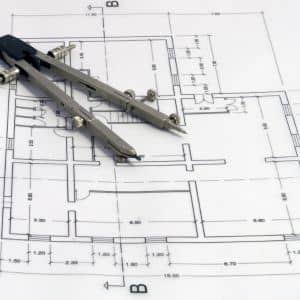
Commercial lenders commonly rely on surveys that follow ALTA and NSPS standards. These standards help ensure consistency, accuracy, and legal reliability. While buyers do not need to memorize these rules, they should understand their impact.
Modern standards require tighter accuracy and better coordination with title records. For example, survey measurements must fall within accepted precision limits. In addition, survey details must align with recorded easements and legal descriptions.
In Orlando, this matters even more. Many properties sit near road expansions, shared access drives, or older right-of-way agreements. When survey data and title records do not match, lenders raise concerns.
Precision issues that trigger revisions
One of the most common reasons surveys fail underwriting review involves precision. Older surveys may look fine on the surface. However, they often do not meet today’s measurement tolerances.
When lenders review a survey, they want confidence that boundary positions and improvements are shown accurately. If the precision does not meet current expectations, lenders ask for corrections. That usually means additional field work.
Although this sounds technical, the impact is simple. Low precision leads to rework. Rework leads to delays. Delays put pressure on financing timelines.
Title evidence and survey coordination
Another frequent issue involves title evidence. A survey depends on accurate title information. If the title commitment arrives late or lacks key documents, the surveyor cannot fully confirm easements and access rights.
In many stalled deals, the problem is not the surveyor’s work. Instead, the title evidence did not arrive early enough. As a result, the survey went out without full information. Then, once the lender reviewed the file, inconsistencies appeared.
Early coordination between buyer, title company, and surveyor reduces this risk. When all parties work from the same records, the survey supports the loan instead of slowing it down.
Why optional survey details matter more than buyers think
Commercial surveys often include optional details requested by lenders. These details help reduce risk by showing how the property interacts with surrounding parcels and infrastructure.
For example, lenders often want clear confirmation of access and visibility of any encroachments. In dense corridors, even small conflicts can raise concerns. When these details appear clearly on the survey, lenders feel more comfortable approving the loan.
On the other hand, missing details invite follow-up questions. Each question adds time. Therefore, deciding on survey scope early helps keep the transaction moving.
A lender-focused way to think about due diligence surveys
Instead of viewing a due diligence survey as a formality, it helps to see it as a loan support tool. The survey should answer the lender’s questions before they ask them.
From that perspective, buyers should think about timing, coordination, and scope. Ordering a survey early helps, but ordering the right survey matters more. A fast but incomplete survey often creates more delay than a slower, properly scoped one.
In a competitive market, lenders do not want surprises. They want confirmation that boundaries, access, and legal descriptions all align. A strong survey provides that reassurance.
Common mistakes that slow commercial closings
Several patterns show up again and again in delayed transactions. First, buyers rely on old surveys that no longer reflect current conditions. Second, survey scope does not match lender requirements. Third, title documents arrive too late to guide the survey properly.
Each mistake creates uncertainty. Uncertainty leads lenders to pause. Because of that, even well-funded deals can stall near the finish line.
Avoiding these issues requires planning, not speed alone. When survey work starts with lender expectations in mind, approvals move faster.
How early planning protects your timeline
The best time to think about survey requirements is before underwriting begins. When buyers engage surveyors early and share lender expectations, the survey can be prepared correctly the first time.
That approach reduces revisions, shortens review cycles, and keeps closings on track. While it may require more coordination upfront, it saves time later. In most cases, it also reduces overall costs.
Final takeaway
A due diligence survey plays a much larger role in commercial loan approval than many buyers realize. In Orlando, where property conditions and records vary widely, lenders depend on surveys to manage risk.
By understanding what lenders expect, coordinating early with surveyors and title companies, and choosing the right scope, buyers can avoid delays that derail deals. A well-prepared survey does not just describe the property. It helps unlock financing and move the transaction forward with confidence.