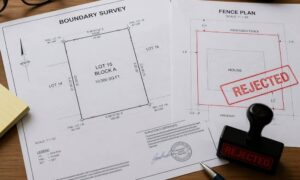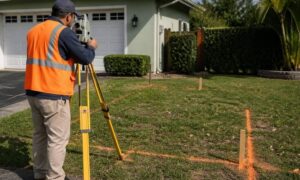

Buying a commercial property in Miramar feels straightforward at first. You review the deal, check the numbers, and move toward closing. Then the survey comes up, and things get unclear fast. Most buyers don’t realize how much can be missed at this stage.
You hear “ALTA survey,” and that part sounds familiar. But then someone mentions Table A items, and now you’re making choices without much context. Some buyers agree to whatever is suggested. Others cut back to save money. Both paths can leave gaps.
An ALTA survey only shows what you ask for. Table A items decide how much detail you get. That choice shapes how well you understand the property before you own it.
What Table A Items Actually Add to an ALTA Survey
An ALTA survey starts with a basic scope. It shows boundary lines and legal descriptions, so you get a clear outline of the property.
But that’s only part of the picture. Once you look closer at the details included in an ALTA survey, you start to notice what might be missing.
That’s where Table A items come in. They build on that outline and show how the site actually works. With the right selections, you can see buildings, access, parking, easements, and other visible features.
Without those added details, it’s easy to miss how the property functions day to day. Those gaps usually show up late, often right before closing.
Why This Matters for Commercial Properties in Miramar
Miramar has a mix of older sites and newer builds. Many properties have been changed over time. Driveways get shared. Parking layouts shift. Utility lines end up closer to buildings than expected.
On paper, everything can look clean. In reality, the site may have limits that affect how you use it.
That is where Table A items come in. They help you see those limits before they turn into problems. When timelines are tight, you don’t get much room to fix issues late in the process. So it makes sense to get the full picture early when ordering an ALTA survey for a commercial property.
What You See When the Right Table A Items Are Included
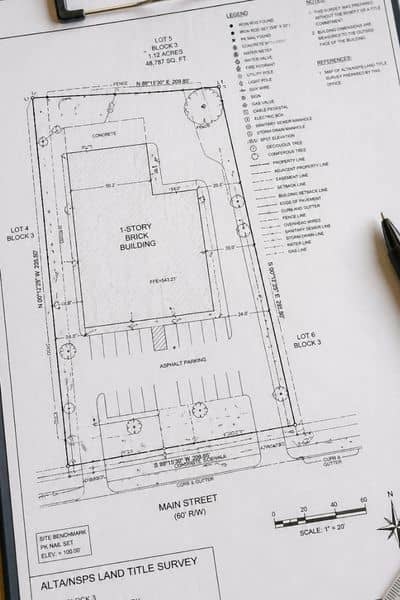
When Table A items are selected with purpose, the survey begins to tell a clear story about the property.
You can see where buildings actually sit and how they relate to the boundary. That matters when you plan changes or review tenant space. A building that sits close to a line may limit future work.
Access also becomes easier to understand. Some sites rely on shared entrances or tight driveways. Seeing those points on a survey helps you judge how traffic will flow in and out of the property.
Parking is another area that often looks fine until it’s mapped. Once shown on a survey, the layout may reveal tight spacing or awkward circulation. That can affect tenant use more than expected.
Easements add another layer. Parts of the property may be set aside for utilities or shared use. Without seeing them clearly, it’s easy to assume you have more usable space than you do.
Encroachments can also show up. A fence, driveway, or structure may cross a line. These issues don’t always stop a deal, but they can slow things down or require more review.
Visible utility features round out the picture. Poles, boxes, and markers give clues about what runs through the site. That helps when you plan any future work.
How Your Plans for the Property Should Shape Your Choices
Not every buyer needs the same level of detail. The right Table A items depend on how you plan to use the property.
If you plan to improve the site, you need a clearer view of structures and utilities. Small surprises can turn into delays once work begins.
If the goal is to lease the property, access and parking matter more. Tenants care about how easy it is to enter, exit, and park. A layout that looks fine on paper may not work well in practice.
If the property is vacant, the focus shifts again. You want to understand access and any visible limits that could affect future plans.
Each situation points you toward a different set of details. That is why a one-size approach rarely works.
Where Buyers Run Into Trouble
Some buyers try to keep costs low by selecting only a few Table A items. That can leave out details they later wish they had.
Others assume every ALTA survey includes the same information. It doesn’t. Two surveys can look very different based on what was requested.
Timing also causes problems. When buyers wait too long to ask for more detail, changes can slow the process. Extra work may be needed, and that can push closing dates.
These issues don’t come from the survey itself. They come from how the scope was set at the start.
How to Make Better Choices Before the Survey Starts
A good place to start is simple. Think about what you plan to do with the property after closing.
Then match the level of detail to that plan. A site you plan to change will need more detail than one you plan to leave as is.
It also helps to talk with your surveyor early. They can walk you through what to include so you can choose the right ALTA survey scope based on how you actually plan to use the property, instead of guessing or going with a standard setup.
It’s also smart to stay in line with what your closing team expects, so nothing gets missed.
When you sort this out early, the process tends to move forward with fewer delays and fewer surprises.
Why Getting the Scope Right Early Saves Time
Once survey work begins, adding new items takes more effort. Field crews may need to return to the site. Drawings may need updates. That adds time and cost.
On the other hand, when the right Table A items are selected from the start, the work flows better. You get the information you need without going back and forth.
That keeps your timeline steady and avoids last-minute pressure before closing.
Final Thought
An ALTA survey gives you a view of the property, but Table A items decide how clear that view will be.
Choosing them with purpose helps you understand how the site really works. Many buyers choose to review their survey scope with a local surveyor before ordering.
For anyone buying commercial property in Miramar, taking the time to request the right details early can make the entire process easier and more predictable.