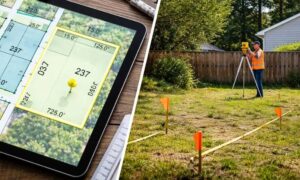
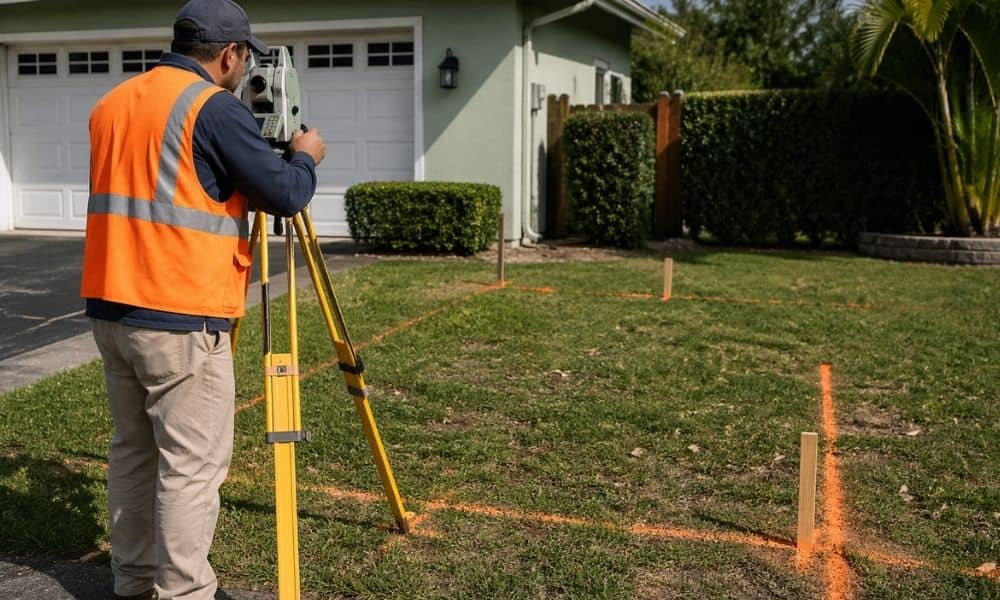
Pouring a driveway or slab sounds easy. Measure the space, call a crew, and wait for the concrete truck. That’s how many projects go sideways. Concrete sets fast. Once it’s down, you’re stuck with it. If something is off, you don’t tweak it. You break it out and pay again. That’s why bringing in a local surveyor in Hialeah before you start makes a real difference.
They don’t just measure land. They look at what’s actually happening on your property, right now, not what you think is there.
Why This Step Gets Skipped
Small jobs feel easy at first. A driveway isn’t a full build, and a slab for a shed doesn’t seem like a big deal. So people rush it.
They go off old sketches. They follow a fence line. Sometimes they let the contractor eyeball everything and move forward.
It works until it doesn’t.
Homes in Hialeah sit close together, so there’s not much room for error. A few inches can push a project into the wrong spot. A lot of that comes from moving too fast and not really checking the site. This is usually the point where working with a local surveyor early would have saved a lot of trouble.
Where Your Property Actually Ends
Most people have a rough idea of their property lines. Few know the exact location.
Fences move. Old markers disappear. Past owners make changes that never show on records.
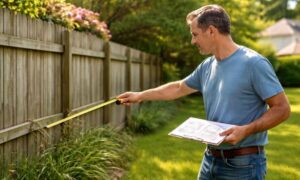
A local surveyor finds the true boundary on the ground. They don’t guess. They verify it. This matters more than people think. A driveway that crosses the line can cause problems later, even if nobody notices right away.
Concrete doesn’t forgive that kind of mistake.
Space Around the Build Area
It’s not just about staying inside your lot. The space around the slab or driveway matters too.
A local surveyor checks how close your project sits to your home and other structures. Tight spacing can create issues during inspections. It can also affect how the space functions day to day.
If the layout feels cramped after it’s built, there’s no easy fix.
The Parts of Your Yard You Can’t Use
Some areas of your property look open but come with limits.
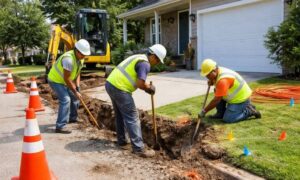
Utility lines often run through private land. These zones don’t always stand out. You won’t see a sign or a marker in most cases.
A local surveyor can spot these areas before work begins. If you pour concrete over one, you may have to remove it later. That’s not a fight you win.
What the Ground Is Really Doing
A yard can look flat. That doesn’t mean it is.
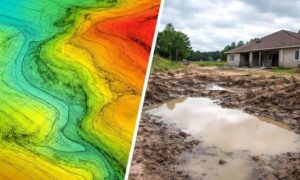
Even small slopes affect how concrete behaves. Water follows the surface. If the slope points the wrong way, water can sit near your home or run toward a neighbor’s space.
A local surveyor checks the levels at the build area. They catch small changes in elevation that most people miss. That helps you avoid drainage issues after the job is done.
When Plans Don’t Match the Site
Old plans don’t always tell the full story.
Over time, people add things. A fence shifts. A small structure goes up. A patio gets extended. Not all of this makes it into official records.
A local surveyor compares what’s on paper to what’s actually there. This step matters more than people expect. Even small differences can throw off your layout.
Marking the Layout So Nothing Gets Guessed
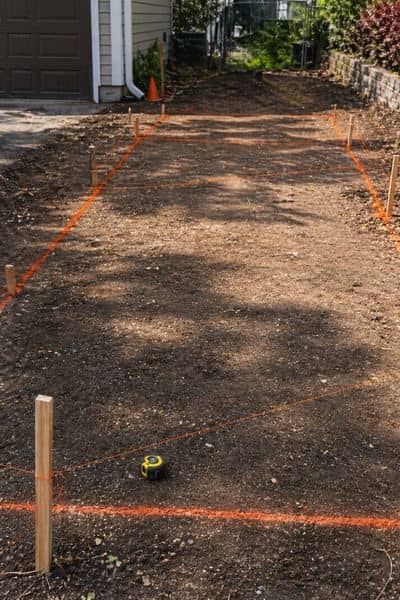
Contractors need clear points to follow. Without them, they measure and adjust on the fly.
That’s where mistakes creep in.
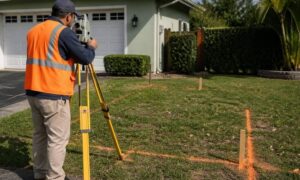
A local surveyor marks the exact edges and corners of your driveway or slab. These marks guide the crew. Everyone works from the same reference.
That keeps the shape and position of the concrete right where it should be.
Tight Spaces Change How Work Happens
Some lots don’t give much room to work with. Equipment needs space. Workers need room to move.
This doesn’t always show up on a quick walk-through.
A local surveyor looks at how the space will actually be used during construction. They can spot areas where access gets tight or where adjustments might be needed.
Planning around this early keeps the project moving.
Mistakes That Show Up Too Late
People tend to skip this step and hope for the best.
They trust rough measurements. They assume old lines are still correct. They move forward without marking the layout.
Then the problem shows up after the concrete is already in place.
Fixing it means time, money, and frustration.
When to Bring in a Local Surveyor
The best time is before anything starts.
Before materials get ordered. Before digging begins. Before the crew shows up.
A local surveyor in Hialeah gives you a clear picture of your site while changes are still easy. Once the concrete is poured, that window closes.
Getting It Right From the Start
A driveway or slab feels like a quick upgrade. In reality, it locks in decisions you can’t undo without a cost.
A local surveyor helps you make those decisions with real information, not guesses. They check the space, mark the layout, and catch issues before they turn into repairs.
It’s a small step at the start. It saves a lot later.