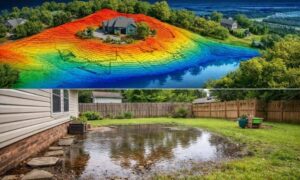
Recent flood warnings across South Florida caught a lot of attention. In Pembroke Pines, many homeowners started checking their property lines online. It felt like the right thing to do. After all, when water moves through a neighborhood, people naturally want to understand their land better.
So, they opened parcel maps, zoomed in, and looked at the lines around their homes. At first, everything seemed clear. The boundaries looked neat and exact.
However, that sense of clarity can be misleading.
What most people don’t realize is that those lines are only estimates. They are helpful for viewing land, but they are not legal proof of where your property truly begins or ends. Because of this, relying on them can lead to wrong assumptions and it often comes down to how property boundaries are legally determined, not what a map happens to show.
That is where a cadastral surveyor becomes important.
What Online Parcel Maps Don’t Tell You
Online maps are easy to use. They load fast, and they show property shapes in seconds. So, it makes sense that people trust them.
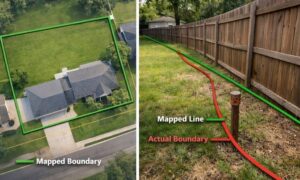
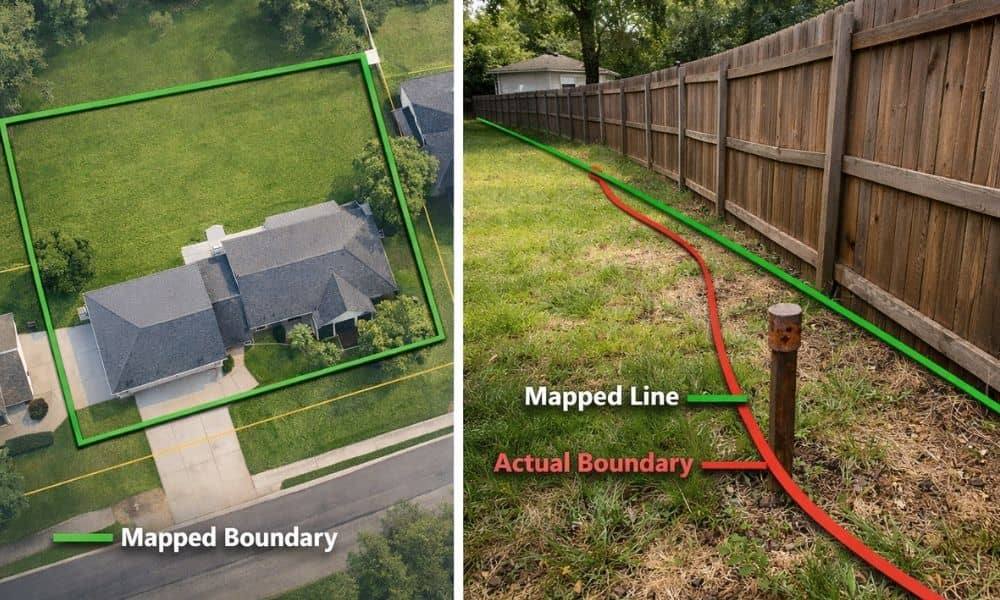
Still, these maps are not built to define ownership. They are created for general reference. Because of that, the lines you see can shift slightly or sit in the wrong place.
For example, a boundary line might appear to follow your fence. However, in reality, the legal boundary could be a few feet away. That small gap can cause big problems, especially when changes are made to a property.
A cadastral surveyor understands this difference. They don’t rely on what looks right on a screen. Instead, they go deeper into the records and the site itself; that’s really how a cadastral surveyor confirms property lines in a way that holds up legally. That approach makes all the difference.
What Actually Defines Your Property
Your property is not defined by what you see on the ground. It is defined by legal records.
These records include plats, deeds, and detailed descriptions of land. Together, they form the true outline of your property. However, they are not always simple to understand. Many of them go back years, and some use technical language.
Because of that, people often fall back on what looks right. A fence line, a driveway edge, or even a row of trees may seem like a boundary.
Yet those features do not always match the legal line.
A cadastral surveyor reads and interprets these records. Then, they connect that information to what exists on the site. This process brings clarity where guesswork often takes over.
How a Cadastral Surveyor Rebuilds Property Lines
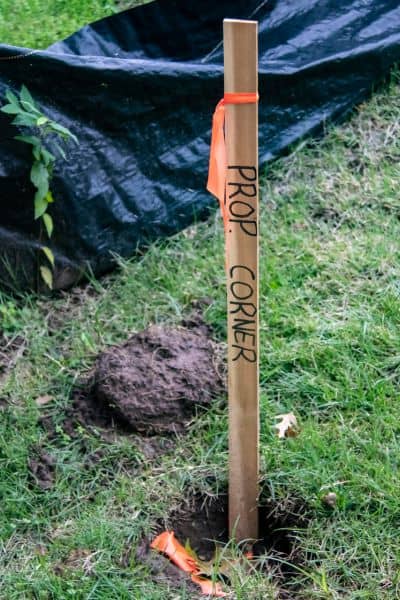
A cadastral surveyor does more than measure land. They rebuild property boundaries using evidence.
First, they review public records tied to the property. This step helps them understand how the land was originally divided. Then, they study how the lot fits within the surrounding area.
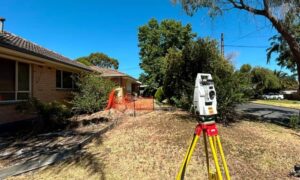
After that, they visit the site. They look for physical markers that represent property corners. Sometimes those markers are still visible. Other times, they are hidden or missing.
When markers are gone, the surveyor uses recorded data to restore their position. By comparing records and field findings, they confirm where the legal boundary should be.
So, instead of guessing based on appearance, they rely on facts.
Why Property Corners Don’t Always Match What You See
Over time, properties change. Construction, landscaping, and even simple yard work can affect boundary markers.
In some cases, markers get buried or removed. In others, they shift slightly due to activity on the land. As a result, the visible layout of a property may not match its legal definition.
Because of this, people often trust fences or edges as guides. However, those features can be placed incorrectly.
A cadastral surveyor helps correct that confusion. By restoring proper reference points, they bring the property back to its legal form.
Why This Matters More in Pembroke Pines
Pembroke Pines has many homes built close together. That means small boundary differences can have a big impact.
In addition, some neighborhoods follow older layouts. Over time, changes to the land can make original markers harder to find. When that happens, visual cues become less reliable.
At the same time, similar lot shapes can add to the confusion. Two properties may look almost identical, yet their boundaries are not the same.
Because of these factors, accuracy matters even more in this area.
Working with a cadastral surveyor ensures that the information you rely on is correct and complete.
How Wrong Assumptions Lead to Bigger Problems
It is easy to assume that a visible line is the correct one. However, that assumption can create issues later.
For instance, placing a fence based on a map can lead to overlap with a neighboring property. In the same way, making improvements without knowing the exact boundary can cause delays or required changes.
These problems often cost time and money. More importantly, they can lead to disputes that are hard to resolve.
A clear understanding of property lines helps avoid these situations before they begin.
When It’s Time to Stop Guessing
There comes a point when relying on visuals is no longer enough. That moment often comes when you plan to make changes or need clear answers about your property.
A cadastral surveyor provides that clarity. Instead of leaving things uncertain, they confirm the exact limits of your land.
This step is not just about accuracy. It is about making sure every decision you make is based on solid information.
Understanding Your Property the Right Way
Recent flood warnings pushed many homeowners to take a closer look at their land. That is a smart first step. However, looking at a map is not the same as knowing the truth.
Parcel maps are helpful, but they are not final. What matters is what is legally recorded and properly verified.
A cadastral surveyor bridges that gap. They turn unclear lines into confirmed boundaries.
So before you rely on what you see, take the time to understand what is real. That knowledge protects your property, your plans, and your peace of mind.