Earlier this week, on February 23, 2026, the national rules that guide every alta survey officially changed. If you are buying, selling, or refinancing commercial property, this update matters right now.
At first, this may sound like technical news meant only for surveyors. However, the impact reaches straight into active closing files. The land has not changed. Property lines have not moved. Yet the process around your transaction must now match the 2026 standards.
Most closings will not have problems because of the survey itself. Instead, issues happen when teams keep using old templates, old wording, and old habits. That gap between the new rules and the old process is where trouble begins.
The Standards Updated — But Many Templates Did Not
Real estate professionals use templates to save time. Brokers reuse order emails. Attorneys copy wording from past deals. Title companies follow their usual process. Over time, these habits feel normal.
However, many of those templates still refer to older ALTA/NSPS standards. Since the 2026 standards took effect just days ago, some requests may still use outdated language.
That may not seem like a big deal. Still, it creates a mismatch from the start. A surveyor must follow the 2026 standards. At the same time, title reviewers now check surveys under those updated rules. If the original request mentions old standards, questions may come up during review.
The alta survey itself may be correct. The problem is the paperwork around it.
In a busy commercial market like Hollywood, even small paperwork issues can slow things down.
Why Hollywood Closings Feel This Change Quickly
Hollywood is not a simple city map. It has older recorded plats mixed with new redevelopment areas. Many commercial properties include shared driveways, older easements, and long-standing utility lines.
Because of this, local closings depend on strong teamwork between surveyors, lenders, attorneys, and title companies. When national standards change, everyone must adjust together.
For example, a commercial refinance near a redevelopment area may include updated lender names or new title exceptions. If those updates do not line up clearly with the alta survey under the 2026 standards, more questions may follow.
The property has not changed. The review process has.
Table A Selections Need Clear Decisions
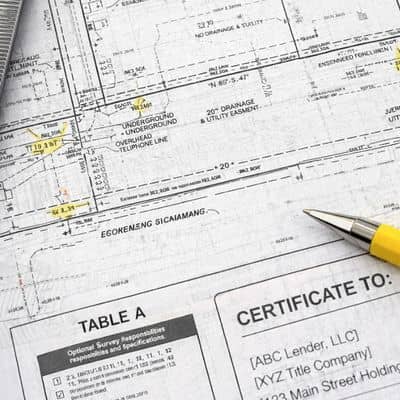
In the past, some deals treated Table A items casually. People often said, “Include standard Table A items,” without much detail. Now, clear choices matter more.
Each Table A item controls what appears on the alta survey. That includes access points, utilities, parking areas, and zoning details. These items must be clearly selected and agreed upon.
Hollywood commercial properties often have shared access or redevelopment plans. Because of that, access and utility details are important. If a lender expects certain information but no one confirmed it early, confusion may happen during review.
The new standards did not change what Table A does. However, they make clear communication more important.
Certification Names Must Match Exactly
Commercial deals in Hollywood often involve new LLCs, updated lender names, or last-minute changes. These changes are common in active real estate markets.
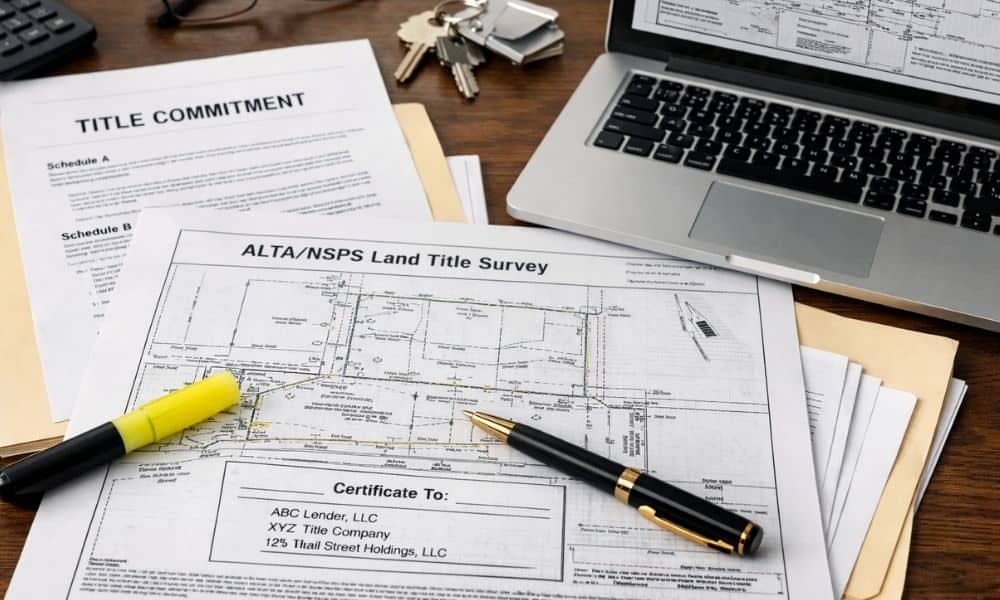
Under the 2026 standards, certification wording on an alta survey receives close review. The names listed must match the exact legal names in the title and loan documents.
Even small differences matter. A missing word or wrong ending in an LLC name can require an update. While this may sound minor, it can create extra steps.
Since the standards just changed this week, some teams may not yet realize how closely these details now get reviewed.
Title Commitment Updates Must Stay Aligned
Surveyors prepare an alta survey using the title commitment given at the start of the job. However, title commitments sometimes change during a deal.
If a new version adds exceptions or updates the legal description, the survey must reflect that version. If no one tells the surveyor about the change, differences may appear later.
Hollywood properties, especially older commercial sites, often have layered recorded documents. Because of this, keeping title and survey documents aligned matters even more now.
Clear communication helps avoid surprises.
This Week Is About Adjusting — Not Worrying
The standards changed earlier this week. Many teams are still adjusting. That is normal.
The 2026 rules do not make an alta survey harder. They simply require better coordination between documents and review. When brokers, attorneys, surveyors, and title companies work together under the new standards, closings move forward smoothly.
Problems only appear when part of the team still uses old habits.
Hollywood Closings Can Still Move Forward Smoothly
Hollywood continues to grow. Redevelopment, refinancing, and commercial investment are still active. That will not stop because the standards changed.
What matters now is awareness.
If your transaction reflects the 2026 standards, confirms exact certification names, and matches the latest title commitment, your closing can stay steady.
The alta survey still protects the legal and physical details of the property. That has not changed. What changed this week is the process around it.
Standards evolve. Markets grow. Closings continue.
When your paperwork evolves with the standards, your deal stays on track — clear, steady, and confident.