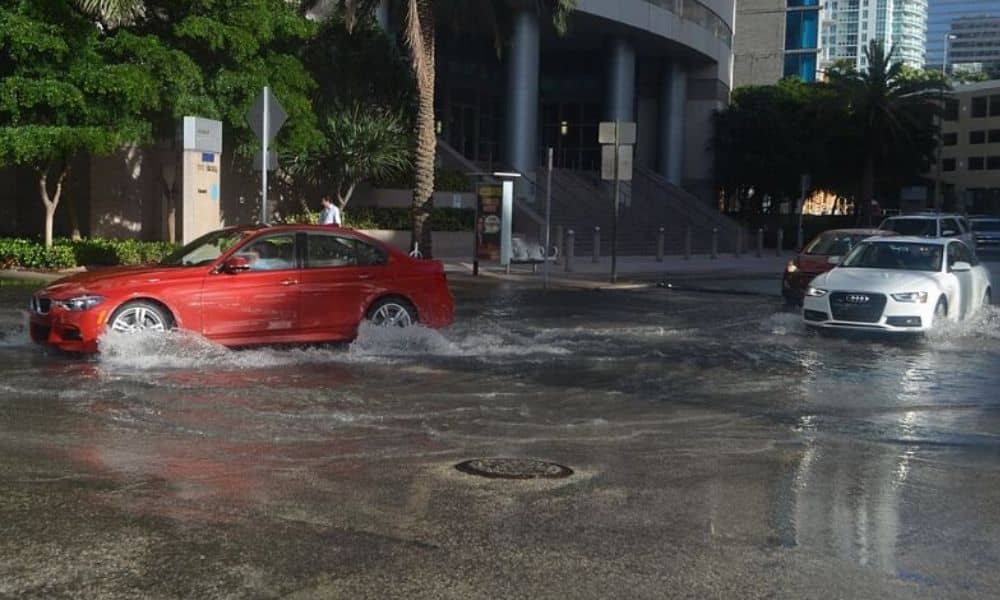
If you live or own property, you already know how tricky flooding can be. Every year, the city braces for the King Tide season, when higher-than-normal tides push seawater onto streets and yards. These tides are more than just a nuisance; they can cause damage, complicate insurance claims, and delay property sales. That’s where an ALTA survey becomes incredibly important. While most people think of a survey as a simple map of property lines, an ALTA survey gives you far more: elevation details, site conditions, and critical information that can protect you before and after flooding.
The Reality of King Tides in Miami
Miami is famous for its sunshine and beaches, but it’s also one of the lowest-lying major cities in the United States. During King Tides, even neighborhoods away from the shoreline see water pooling on streets and driveways. Brickell, Little River, and parts of Coconut Grove are common hot spots. The City of Miami has already published this year’s King Tide calendar, with the first window hitting September 8–11. These dates matter because, when the tides rise, they can affect property value, insurance rates, and even construction projects.
This isn’t just about beachfront homes. Any property sitting in a low spot or near old drainage systems can get hit. For homeowners and developers alike, knowing your elevation and documenting it properly is the smartest move you can make.
What an ALTA Survey Really Shows

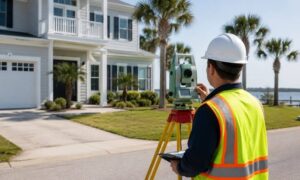
Most people hear “survey” and think of boundary lines. That’s only the beginning. An ALTA survey—short for American Land Title Association survey—is a gold standard in property documentation. It doesn’t just outline where your property starts and ends. It also records improvements, easements, driveways, grading, drainage features, and, most importantly for Miami, finished floor elevations.
Why does that matter? Because when insurance companies, lenders, or city permitting offices want proof of elevation, an ALTA survey provides it. It’s more detailed than a basic boundary survey and is often required in commercial transactions. But even for homeowners, working with a local team of ALTA surveyors is one of the best ways to show your property’s condition before King Tides roll in.
Why Timing Is Everything
Think about the timeline. The first round of King Tides is here in early September, and more will follow in October and November. If you wait until after flooding, you’ll only be able to show “damage conditions.” That leaves a big question mark over whether your property was already at risk. The best way to avoid that uncertainty is to order an ALTA survey before the tide arrives, so you lock in baseline data that reflects your property’s true condition.
That data can include:
- Your exact finished floor elevation.
- The slope of your yard and how water is supposed to drain.
- The position of seawalls, swales, or outfalls.
- Driveway crowns and thresholds at entry points.
With this information in hand, you have clear proof of how your property stood before any flooding. It makes insurance claims smoother, resale faster, and city approvals far less stressful.
What Happens After the Tide
Once King Tides passes, you’ll want to see what changed. Did water pool in new areas? Did drains back up? Did the seawall show cracks or leaks? Having an ALTA survey from before the tide gives you a baseline to compare against. You can go back with photos, spot elevations, or even an updated survey to show exactly how conditions shifted.
This isn’t just about protecting your home. For developers or sellers, an updated ALTA survey is a huge advantage during negotiations. Buyers often worry about flood risk. If you can show a professional survey tied to specific dates—before and after King Tides—you remove a lot of doubt. It speeds up appraisals, makes title companies more comfortable, and helps lenders avoid delays.
Real-World Benefits for Miami Homeowners and Developers
Let’s put this in a real scenario. Imagine you’re selling a property in Coconut Grove. A buyer walks in right after the September King Tide. The street looks wet, the driveway shows some water stains, and the buyer hesitates. Instead of losing leverage, you hand them your ALTA survey dated August, with elevations, drainage notes, and seawall data. Then you add photos you took during the tide. Suddenly, the story changes. You’re not just a seller making claims; you’re providing proof.
Or picture a developer trying to get a construction permit in Brickell. The city wants elevation certificates and drainage plans. Having an ALTA survey done before tide season saves time because the required data is already documented, in the right format, and less likely to get rejected.
Why an ALTA Survey Is More Than Just Paperwork
Some people wonder if ordering an ALTA survey is overkill. After all, Miami already has flood maps, and FEMA has digital viewers online. But maps are general. They don’t show the unique features of your property, like how a yard slopes, where water actually collects, or how your finished floor compares to the base flood elevation.
Insurance companies and lenders don’t want “close enough.” They want professional, site-specific, defensible data. An ALTA survey gives exactly that. Plus, in Miami-Dade, surveys often need to be less than one year old for certain approvals. That means keeping yours updated isn’t just smart—it’s sometimes required.
Taking Action Before It’s Too Late
With the September King Tides already here, the clock is ticking. Waiting until water is in the street means you’ve missed the chance to document your property’s “before” condition. Ordering an ALTA survey now gives you peace of mind, protects your investment, and prepares you for both insurance and resale.
Even if you’re not planning to sell, think about the headaches of making a claim without solid proof. Adjusters can argue, neighbors can disagree, and city offices can delay. But a recent ALTA survey removes the guesswork. It’s a professional record that speaks louder than opinion.
Conclusion
Miami’s King Tides are not slowing down. Each year, the water creeps a little higher and reaches a little farther inland. Homeowners, sellers, and developers can’t afford to ignore the risk. By investing in an ALTA survey before the tides arrive, you’re not just getting a piece of paper—you’re getting security, leverage, and peace of mind.
Don’t wait until the water is at your doorstep. Get your property documented today, while you still have the chance to show the full story before flooding changes it.