Why LiDAR Mapping Matters for Florida Wetland Projects

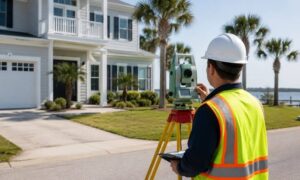
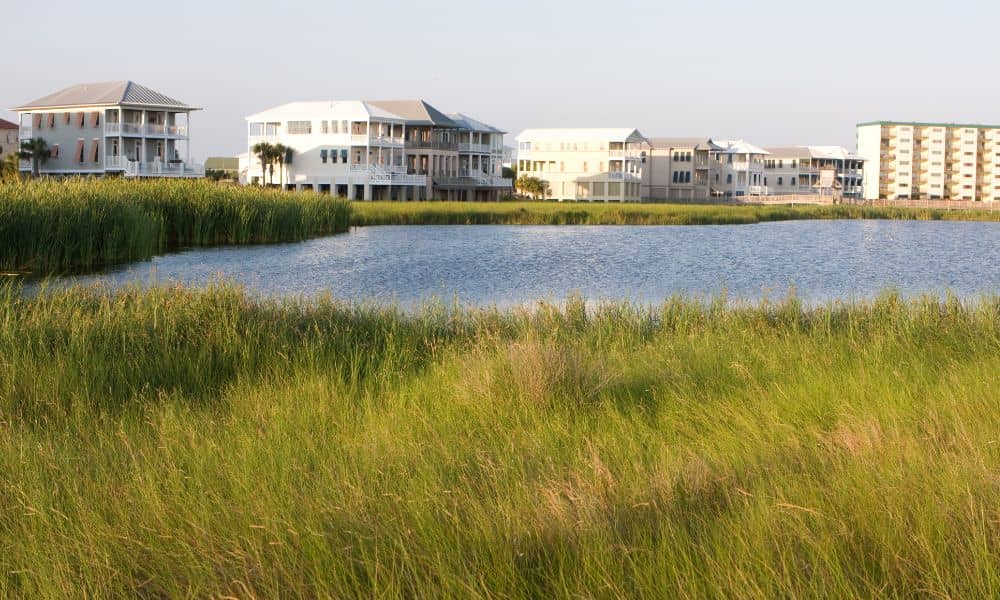
Wetland area next to residential development, highlighting the importance of LiDAR mapping for accurate wetland delineation in Florida

Florida has lots of wetlands, swamps, and marshes. These areas are important for the environment, but they can make land development tricky. That’s why LiDAR mapping has become an essential tool for identifying wetland boundaries quickly and accurately. Before anyone can build on land in Florida, they need to find out exactly where the wetlands are—a process known as wetland delineation.

Why Wetlands Are Hard to Map in Florida

Mapping wetlands in Florida isn’t easy. Here’s why:

  • The land is very flat, so it’s hard to see where wetlands begin and end.
  • Water levels change during the year, which makes it harder to measure.
  • Trees and plants can block the view from above.
  • Traditional mapping methods can take a long time and might miss details.

That’s why better tools are needed—and that’s where LiDAR comes in.

What Is LiDAR and How Does It Work?

LiDAR stands for Light Detection and Ranging. It’s a tool that sends out laser beams from an airplane or drone. These beams bounce off the ground and come back with exact information about the land’s shape.

This data is used to make 3D maps that show small hills, dips, and flat spots—even under trees or in areas with water. This is super helpful when looking for wetlands in Florida.

How LiDAR Helps with Wetland Mapping

Using LiDAR can save time and give more accurate results. Here’s how:

  • It shows tiny changes in the land’s height, which helps find wetland edges.
  • It lets teams look at big areas quickly before visiting in person.
  • It helps planners focus only on the areas they really need to check.
  • It saves time and money on surveys and makes the process faster.

This level of precision makes wetland delineation far more reliable, especially when backed by high-resolution topographic and elevation data gathered from advanced mapping technologies.

Why It Matters for Permits

In Florida, you need special permits to build near wetlands. Government agencies want proof that you know where the wet areas are. This is where high-accuracy tools like LiDAR help by providing solid, detailed maps. These maps support elevation mapping for wetlands, giving regulators the data they need to verify project boundaries and protect sensitive ecosystems.

LiDAR helps by giving solid, detailed maps that are easier to check and approve. This makes it easier to:

  • Plan your project
  • Submit documents
  • Avoid long delays

Having the right data the first time can make a big difference.

Final Thoughts

Florida’s wetlands are a big part of the state’s landscape—and they need to be treated with care. Whether you’re working on a construction project, doing an environmental study, or applying for a permit, knowing exactly where wetlands are is very important.

LiDAR mapping gives you a faster, clearer way to see the land and understand where wet zones begin and end. When used along with in-person checks, it helps make smarter, safer decisions for both people and the environment.

If your project involves Florida wetlands, using LiDAR is one of the best ways to stay accurate, save time, and stay on the right side of the law.

author avatar
Surveyor

More Posts

Topographic surveys showing elevation contour lines and natural drainage patterns on low-lying land
land surveying
Surveyor

Topographic Surveys for Drainage Problems on Low-Lying Sites

If your property sits low, stays damp after rain, or drains slowly, topographic surveys can make a big difference. These surveys show how the ground rises and falls across a site. More importantly, they explain how water moves. Within the first steps of planning, this knowledge helps owners avoid drainage

Read More »
Land surveyor measuring property elevation for a FEMA elevation certificate
flood damage
Surveyor

When a FEMA Elevation Certificate Needs a New Survey

Many homeowners think they can reuse old plans or past surveys when they need a FEMA elevation certificate. That idea sounds reasonable at first. The property has not moved, so the records should still work. However, elevation certificates do not work that way. In many cases, old property records cannot

Read More »
Homeowners reviewing property documents after discovering a boundary survey was needed to clarify ownership
boundary surveying
Surveyor

Property Dispute Goes Viral — Boundary Survey Prevented It

When a Port St. Lucie homeowner discovered that land she owned had been sold without her knowledge, the story spread fast. Neighbors talked about it. Social posts lit up. Local news covered the legal fight. Most people asked the same question: How could this happen? The answer points to one

Read More »
Professionals reviewing documents during a due diligence survey for commercial loan approval
boundary surveying
Surveyor

Due Diligence Survey Checklist Lenders Review

If you are buying commercial property, a due diligence survey can make or break your loan approval. Many deals do not fall apart because of price or financing terms. Instead, they stall when the lender reviews the survey and finds gaps, conflicts, or outdated information. Because of that, understanding what

Read More »
Aerial view of coastal development near the shoreline showing how detention pond design must adapt to groundwater, tides, and sandy soil conditions
civil engineering
Surveyor

Detention Pond Design: Why Coastal Projects Are Different

If you work on land development, you may have noticed more talk about flooding, drainage, and coastal projects lately. With beach renourishment planned and coastal infrastructure under stress, detention pond design now plays a bigger role than many people expect. Detention ponds exist everywhere. However, designing them for coastal Florida

Read More »
Developers and planners reviewing zoning maps in the city as they discuss why an ALTA land title survey is needed before new rules take effect
alta survey
Surveyor

Why Zoning Rumors Spike ALTA Land Title Survey Demand

Miami changes fast. One new rule, one city meeting, or even one rumor can shift the whole market. Over the past few weeks, talk about upcoming zoning updates has spread through developer groups, real estate chats, and local forums. Because of this, buyers, investors, and even lenders have rushed to

Read More »