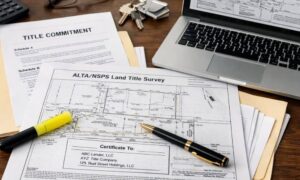
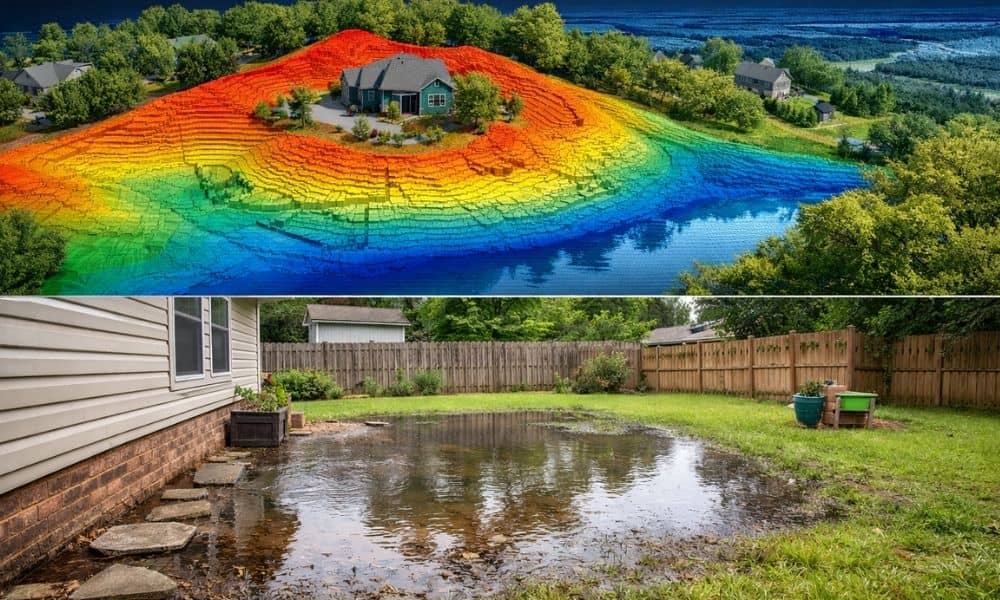
You get your lidar mapping results, and everything looks sharp. The lines are clean. The details are clear. At first, it feels like you have the perfect picture of your land—just like you would expect when reviewing your property survey results.
However, weeks later, something feels off.
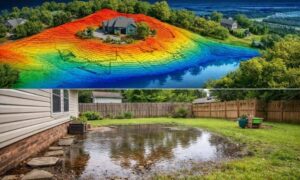
Water starts pooling in the wrong spot. A grading plan does not work as expected. Or worse, a project slows down because the elevation does not match real conditions.
So what happened?
The truth is simple. Even when lidar mapping looks accurate, it can still cause elevation problems. And in a place like Jacksonville, that small issue can turn into a big one.
Why “Accurate” LiDAR Mapping Can Still Be Misleading
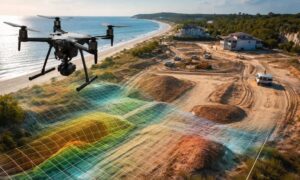
Lidar mapping is powerful. It uses lasers to scan the ground and create a detailed 3D model. Because of that, the lidar mapping results often look accurate right away.
But here’s the key point.
Lidar mapping measures surfaces very well. However, it still depends on how elevation is set in the system. If that reference is slightly off, then the final result can still be wrong.
In other words, the data can be precise—but not correct for your project.
That difference matters more than most people think.
The Hidden Factor: Elevation Reference
Most property owners never hear about this part.
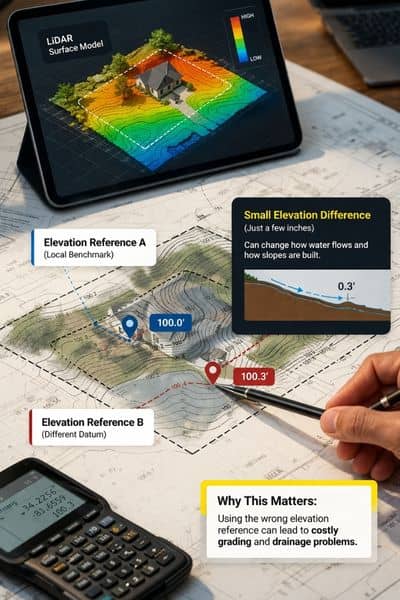
Every survey needs a starting point for elevation. This is often tied to sea level or a local benchmark. However, not all data uses the same reference.
So, what does that mean for you?
Let’s say one dataset measures elevation one way, and another uses a slightly different reference. When those get combined, small differences show up.
Now imagine that difference is just a few inches.
That may sound small. However, in real projects, even a few inches can change how water flows, how slopes are built, and how land drains.
Because of that, the problem is not easy to see at first. The map still looks clean. The numbers still look right. Yet the result on-site tells a different story.
Why This Matters for Jacksonville Properties
Jacksonville has many flat areas. Because of that, even small elevation changes can affect how a property performs.
For example, a slight dip in the wrong place can hold water. On the other hand, a small slope can push water toward a structure.
That is why lidar mapping must be handled with care in this area.
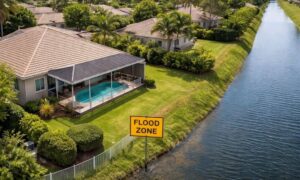
Also, many properties in Jacksonville rely on proper drainage to avoid issues. So, if elevation data is off, even by a little, it can lead to problems later.
In addition, new builds and improvements often depend on accurate grading. If the base data is not correct, the final work may not match the plan.
So while lidar mapping gives a strong starting point, it still needs the right reference to work well in real conditions.
Real Problems That Can Happen
When elevation data is slightly off, the effects show up during or after the project.
For example, you might see water collecting near a foundation. Or a driveway may not drain as planned. In some cases, contractors may need to adjust the site after work has already started.
That leads to delays. It also increases costs.
Sometimes, permits can even get flagged if the numbers do not match expected levels. That slows things down even more.
In other cases, buyers may discover issues after closing. That creates stress and unexpected repairs.
At that point, the problem is no longer about data. It becomes a real-world issue that needs time and money to fix.
Where LiDAR Mapping Can Go Wrong
It’s important to be clear here. Lidar mapping itself is not the problem.
Instead, issues come from how the data is used.
For example, one common mistake is using the wrong elevation reference. Another issue is mixing data from different sources without checking if they match.
Also, some projects rely on older datasets. While the map may still look good, the conditions on the ground may have changed.
In addition, skipping proper checks can lead to trouble. Without verification, small errors can go unnoticed until it’s too late.
Because of that, lidar mapping should always be reviewed carefully before making decisions.
How to Make Sure Your LiDAR Mapping Is Reliable
So, what can you do to avoid these problems?
First, make sure the data ties to the correct local elevation reference. This helps align the map with real-world conditions.
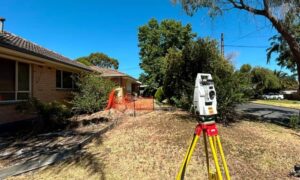
Next, confirm that the data has been checked with ground measurements. These points help verify that the numbers are accurate on-site.
Also, work with a professional who understands how to review and adjust lidar mapping data. This step makes a big difference.
In many cases, a licensed land surveyor can help confirm that everything lines up properly. That way, you avoid surprises later.
Most importantly, do not assume that clean data means correct data. Always ask how it was created and verified.
When You Should Double-Check LiDAR Mapping
Some situations call for extra caution.
For example, before starting construction, it’s smart to review elevation data closely. The same goes for buying property or planning site work.
Also, if drainage matters for your project, double-checking is a must.
Even small improvements, like adding a driveway or building an addition, can depend on proper elevation.
Because of that, taking time to review lidar mapping early can save you from bigger problems later.
Final Thoughts
Lidar mapping is one of the best tools in modern land surveying. It provides fast, detailed, and useful data.
However, it is not perfect on its own.
The biggest risks often come from what you don’t see—like the elevation reference behind the data.
In a place like Jacksonville, where small changes can affect drainage and performance, that detail matters even more.
So before you move forward with a project, take a closer look at your lidar mapping.
Make sure it reflects real conditions, not just clean visuals.
Because in the end, accuracy is not just about what looks right—it’s about what works on your property.