
Living in Coral Springs offers many benefits. The neighborhoods are peaceful, the parks are beautiful, and many homes have space for outdoor living. Because of that, homeowners often plan improvements such as a new patio, a larger driveway, a pool deck, or even a small room addition. However, many people begin these projects without thinking about flood zones. In South Florida, flood risk plays a big role in how land gets used. Even if your property has never flooded, local rules still rely on flood maps and elevation data. Because of this, understanding your property before renovating becomes very important. This is where a home survey can make a huge difference. It helps homeowners get a clearer picture of their property by confirming where their property lines are and understanding how flood zones may affect renovation plans.
Why Flood Zones Matter When Renovating a Home
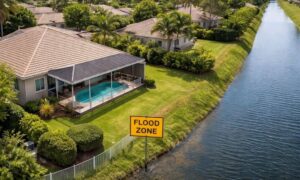
Coral Springs sits in Broward County, an area that receives strong rain during storm season. Although the city manages drainage well, the region still follows FEMA flood maps that show where flooding could happen during major storms.
These maps divide land into different flood zones. Some areas face higher flood risk, while others sit in lower-risk zones. Even so, the flood zone of a property can still affect what a homeowner can build.
For example, a homeowner might want to extend a patio or build a fence. At first, the project may look simple. Yet local building departments still need to check how the project fits within flood safety rules.
If a structure sits too low or blocks drainage flow, water may collect during heavy rain. Because of this, the city may require elevation information before approving certain renovations.
Many homeowners do not realize this until they apply for permits. However, a home survey can show these details much earlier in the planning stage by giving homeowners a clearer understanding of their property, including how high or low the land sits compared to nearby flood zones.
What a Home Survey Actually Shows

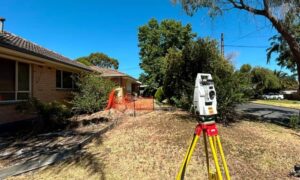
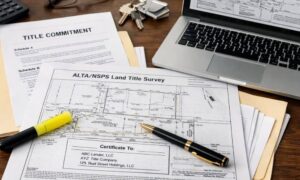
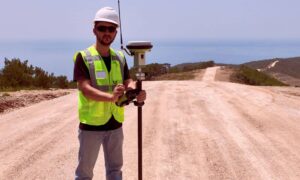
A home survey gives a detailed view of your property. Surveyors measure the land and create a drawing that shows how everything sits within the lot.
First, the survey identifies the true property boundaries. Many homeowners assume fences or landscaping mark the correct line. In reality, those features sometimes sit a few feet away from the legal boundary. A survey removes that uncertainty and shows the exact limits of the property.
Next, the survey records existing structures such as the house, garage, driveway, and pool. These measurements help determine how close buildings sit to property lines and whether new structures can fit within local setback rules.
A home survey may also include elevation points. These numbers show the height of the land compared to sea level. That information becomes very important when flood zones come into the conversation.
In addition, surveys often show nearby features that affect water flow. Drainage easements, canals, sidewalks, and utility lines may all appear on the survey drawing. Each of these elements can influence how water moves across the property during heavy rain.
Because of this information, homeowners gain a much clearer picture of their land.
Why Elevation Matters More Than Many Homeowners Think
Flood maps give a general idea of flood risk. However, those maps do not always show the small changes in elevation that exist across a neighborhood.
Sometimes one yard sits slightly lower than the house next door. That difference may only be a foot or two, yet it can affect how water collects during a storm.
A home survey helps reveal those small but important details. By measuring elevation points on the property, surveyors provide data that engineers and building departments can use when reviewing renovation plans.
For example, imagine a homeowner wants to add a room at the back of the house. The new structure must sit above certain elevation levels to reduce flood risk. Without elevation data, the city cannot confirm whether the design meets those requirements.
Because of this, elevation information from a survey often helps prevent problems before construction begins.
Renovation Plans Often Reveal Hidden Property Issues
Many homeowners start renovations with excitement. A larger patio, a pool area, or a backyard kitchen can transform how a home feels.
However, construction plans sometimes uncover details that homeowners never noticed before.
A home survey may reveal that a fence sits too close to a property line. It might show a drainage easement running across part of the backyard. In other cases, it may confirm that a planned addition would sit inside a required setback area.
Although these discoveries can feel frustrating at first, they actually protect homeowners from bigger problems later.
Imagine building a fence only to learn that part of it crosses into a neighbor’s property. Or imagine finishing a patio before discovering that it blocks an important drainage path. Fixing those problems after construction can become expensive.
Because of that, many contractors recommend reviewing a survey before starting work.
Flood Maps and Home Surveys Work Best Together
Flood maps provide a broad view of flood risk across a city. They help planners understand how water may move during major storms. However, those maps cannot show every detail of every property.
That is where a home survey becomes valuable.
A survey gives precise measurements that flood maps cannot provide on their own. Surveyors measure the land, record elevation points, and confirm property boundaries. Engineers and city reviewers then compare those measurements with FEMA flood maps.
This process helps determine how renovations should move forward. If the property sits near a flood zone boundary, elevation data from the survey may clarify the situation.
As a result, homeowners gain more accurate information about their land.
Planning Renovations with More Confidence
Home improvement projects should feel exciting, not stressful. However, unexpected issues can slow things down if homeowners begin construction without understanding their property.
A home survey helps remove many of those uncertainties. It shows where the property begins and ends. It reveals elevation changes across the land. It also highlights features that affect drainage and flood safety.
Because of this, homeowners can plan renovations with greater confidence. Contractors can design projects that follow local building rules, and permit applications often move through the review process more smoothly.
For homeowners, where water management plays an important role in land planning, that extra knowledge can make a big difference.
Before starting your next renovation, it may help to look closely at the details of your property. A home survey provides the information needed to understand flood zones, plan improvements wisely, and move forward with peace of mind.