
Living near the water is one reason many people choose Fort Myers. The beaches are close, the weather is warm, and many homes sit near canals or the Gulf. However, living near the coast also means homeowners must pay attention to flood safety rules. When those rules change, they can affect what homeowners can build, repair, or improve on their property. Recently, more communities around Fort Myers Beach have started raising homes to reduce flood risk. Local leaders want houses to sit higher above flood levels so they can handle future storms better. Because of this, many homeowners have started asking an important question: What does this mean for my property? That question often leads to something many people rarely think about—a residential land survey.
A residential land survey shows the exact layout of your property. It confirms your lot boundaries, the position of your house, and other details that matter when planning changes to your home. As flood elevation rules gain attention across Southwest Florida, many homeowners are starting to see why having an accurate residential land survey can make planning improvements much easier and help avoid surprises later.
Why Flood Elevation Rules Are Getting Attention in Fort Myers
Southwest Florida has seen strong storms over the past few years. Because of this, many coastal areas now pay closer attention to flood safety. One common step is raising homes above certain flood levels to reduce damage during future storms.
You may have seen homes in Fort Myers Beach that sit higher than older houses nearby. In some cases, these homes stand several feet above the ground. While this may look unusual, it helps protect homes when water levels rise.
However, flood rules do not only affect homes near the beach. They can also affect neighborhoods across Fort Myers, especially when homeowners plan repairs or improvements.
For example, a homeowner may want to rebuild part of a house after storm damage. The city may ask for updated property details before approving the work. The same thing can happen when someone wants to add a room, build a garage, or install a pool.
In these situations, homeowners often rely on residential land survey services to confirm the exact details of their property before moving forward. This information helps local officials review building plans and make sure improvements follow local rules.
What a Residential Land Survey Really Shows
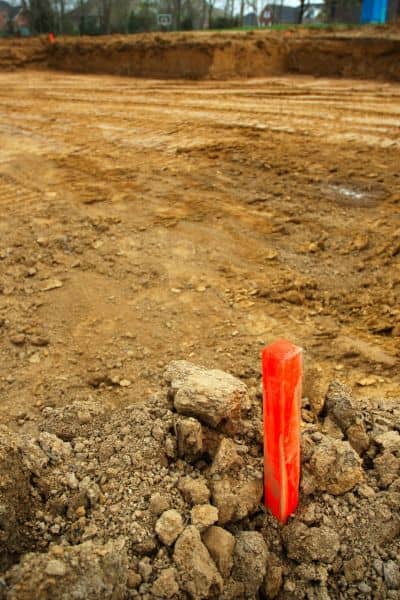
Many homeowners hear the word “survey” but have never seen one. In simple terms, a residential land survey is a map of your property made through careful measurements.
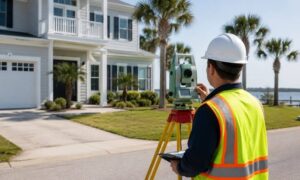
Surveyors visit the property and measure the land using special tools. Then they create a drawing that shows the shape and size of the lot. This drawing explains how the property is laid out.
A residential survey shows the legal boundaries of the property. In other words, it confirms where your land begins and ends. It also shows where the house sits within those boundaries. Many surveys also mark driveways, fences, patios, and other visible features.
Just as important, surveys can show easements or setback areas. These rules control how close buildings can sit to property lines, roads, or utilities.
Because of this, a survey becomes a useful guide for homeowners and contractors.
Why Many Homeowners Discover Property Issues Too Late
Many people believe the visible edges of their yard match the legal property line. For example, they may think the fence, hedges, or driveway marks the boundary of their lot.
However, this is not always true.
In many neighborhoods, fences sit a few feet inside the legal boundary. Sometimes they even cross onto another property without anyone knowing it. These small differences may not cause problems for years, but they often appear during construction projects.
Imagine a homeowner planning to build a pool. The contractor may ask for property measurements before starting work. At that point, the homeowner might discover the project cannot fit where they expected.
Situations like this happen often when homeowners do not already have a residential land survey.
Because of this, surveys often reveal property details that owners never noticed before.
How Flood Rules Can Affect Property Improvements
Flood elevation changes can affect many types of projects. Most people think about new homes, but the rules can also affect repairs and renovations.
For example, homeowners may want to rebuild after storm damage or expand their living space. In these cases, local officials often review the property layout before approving permits.
They want to confirm that buildings sit within the correct boundaries and follow setback rules. They may also check elevation information to make sure the home meets flood safety standards.
Without clear property information, this process can take longer.
However, when a residential land survey is available, the review becomes easier. The survey provides the measurements needed to confirm that building plans follow local rules.
As a result, projects can move forward with fewer delays.
Why Checking Your Survey Early Can Save Time
Many construction delays happen because homeowners wait too long to review their property records. They start planning a project and hire contractors, but later learn they need a survey before permits can move forward.
At that point, the project may pause while surveyors measure the property.
Although this step is normal, it can slow the schedule and create stress. Contractors may need to change plans, and homeowners may have to wait for new documents before work can begin.
Checking a residential land survey early can help avoid these problems. When property information is already available, homeowners can plan improvements with confidence.
This also helps contractors design projects that fit safely within the lot boundaries.
A Residential Land Survey Helps Homeowners Plan With Confidence
For many homeowners, property documents stay out of sight for years. They may sit in closing papers or city records, but few people look at them unless a problem appears.
However, as flood elevation rules continue to gain attention, property information matters more than ever.
A residential land survey gives homeowners a clear picture of their land. It confirms where structures belong and how the property fits within local rules.
Instead of guessing about property lines or setbacks, homeowners can rely on accurate measurements.
In a coastal city like Fort Myers, this knowledge can make a big difference. Whether someone plans to rebuild after a storm, install a fence, or add new living space, understanding the property layout helps projects move forward smoothly.
With clear property information in hand, homeowners can make better decisions and protect their investment for years to come.