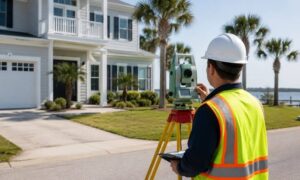
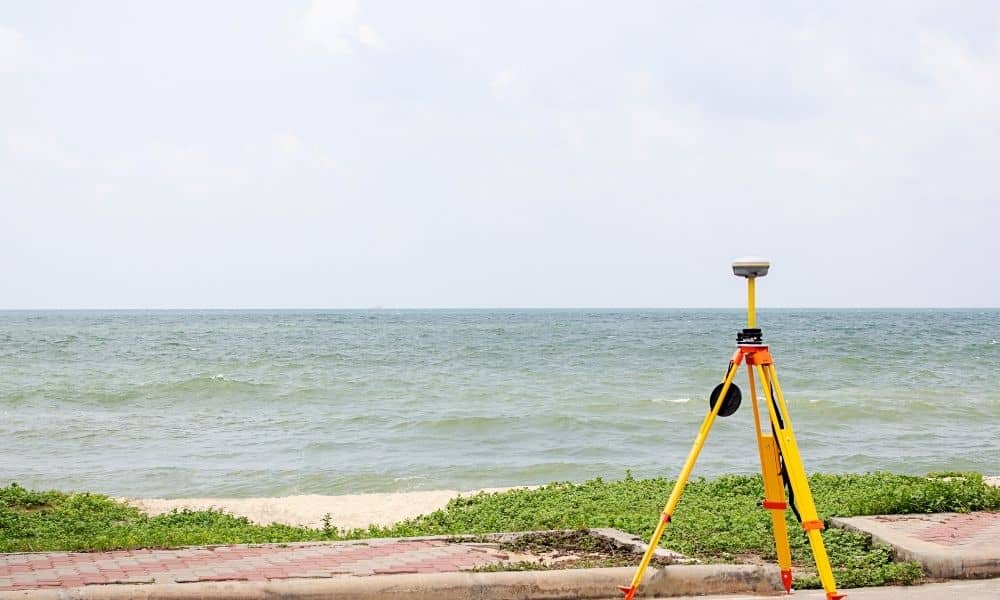
When a beach access dispute surfaced in St. Petersburg, it caught attention fast. The debate wasn’t really about sand or signs. Instead, it exposed a bigger issue many property owners overlook: when land gets used openly by the public, people start assuming who owns it. Over time, those assumptions harden into expectations. And once expectations form, proving ownership gets harder. This situation offers a clear lesson for homeowners across Florida—especially those near beaches, walkways, or shared access points. Understanding where your property begins and ends matters more than most people think. That’s where a property boundary survey becomes essential.
Why This Beach Dispute Feels So Personal
Beachfront and near-beach areas blur lines. People walk dogs, watch sunsets, and pass through every day. Because of that constant activity, public use can feel permanent. However, use does not equal ownership.
In the St. Petersburg case, the disagreement escalated because people believed access had always been open. Meanwhile, the property owner believed the land was private. Both sides felt confident. Yet confidence alone does not settle land rights. Only clear boundary documentation does.
This kind of conflict resonates because it could happen anywhere. If people use land long enough without challenge, they begin to treat it as theirs. Eventually, when a sign goes up or a change happens, frustration follows.
How Assumptions Slowly Replace Facts
Property disputes rarely explode overnight. Instead, they grow quietly. First, someone cuts across a lot. Then others follow. Soon, the path looks permanent. Because no one objects, the behavior feels allowed.
Over time, that pattern creates a story: “This has always been public.” Unfortunately, stories don’t hold up in legal or municipal decisions. Facts do.
A property boundary survey replaces stories with measurements. It ties ownership to physical markers on the ground. Without that clarity, landowners often find themselves explaining instead of proving.
Why Coastal Areas Face More Boundary Pressure
Properties near beaches, seawalls, and access corridors face constant visibility. More eyes mean more opinions. More opinions mean more pressure.
In growing coastal cities, redevelopment adds fuel. As land value rises, so does interest in who controls it. What once felt like a quiet corner suddenly becomes contested ground.
Because of this, coastal owners carry higher risk. They don’t just deal with neighbors. They deal with public expectations, tourism, and sometimes city involvement. In these environments, knowing your exact boundaries is not optional. It’s protective.
Where a Property Boundary Survey Changes Everything

A property boundary survey does more than draw lines. It shifts conversations. Instead of debating history or habit, discussions center on evidence.
Survey data shows:
- Exact lot dimensions
- Boundary markers and corners
- Legal limits tied to recorded documents
Once those details exist, assumptions lose power. Officials, planners, and attorneys rely on surveyed facts. Clear boundaries simplify decisions. They also reduce emotional arguments.
Without a survey, property owners often feel forced to defend themselves. With one, they present proof.
The Quiet Ways Owners Lose Control
Most landowners don’t intend to give up access. Yet it happens in subtle ways.
Sometimes owners allow temporary use. Other times, they don’t notice how frequently people cross their land. Because nothing seems urgent, action gets delayed. Unfortunately, delay strengthens the public narrative.
Another common issue involves boundaries that exist only on paper. Old records may not match current ground conditions. When markers fade or disappear, uncertainty grows. That uncertainty invites challenge.
A survey brings boundaries back into focus. It reestablishes where rights begin and end—clearly and visibly.
What Changes When Public Attention Enters the Picture
Once a dispute becomes public, pressure increases. Media coverage amplifies opinions. City officials get involved. Suddenly, the owner feels outnumbered.
At that point, explanations carry less weight. Decision-makers want documentation. They want to see professional verification, not personal accounts.
This is why early clarity matters. A property boundary survey completed before conflict exists gives owners confidence and leverage. It allows them to address questions calmly, without scrambling for proof.
The Bigger Lesson From St. Petersburg
The St. Petersburg dispute highlights a simple truth: land rights weaken when boundaries remain unclear. Public use fills the gap. Over time, that use feels justified.
The issue isn’t access or fairness. It’s documentation. When boundaries stay visible and verified, assumptions don’t grow. When they fade, confusion takes over.
This lesson applies far beyond beaches. Any property near shared spaces faces similar risks. The difference lies in preparation.
When to Consider a Property Boundary Survey
Many owners wait for a trigger. Yet the best time to act comes before problems appear.
Consider a survey if:
- Your property sits near public-use areas
- People regularly cross or gather on nearby land
- Development increases visibility or value
- Boundaries haven’t been verified in years
Acting early keeps control in your hands. It also prevents misunderstandings from turning into disputes.
Final Thoughts
Ownership depends on clarity. In places where public use feels natural, clarity matters even more. A property boundary survey provides that clarity. It turns assumptions into facts and questions into answers.
The St. Petersburg beach dispute serves as a reminder. Boundaries protect rights best when no one questions them yet. Waiting invites pressure. Acting early preserves peace of mind.
Knowing where your land truly begins and ends isn’t just smart—it’s essential in today’s high-visibility environments.