LiDAR mapping has become a trusted way to understand land. It helps professionals see details that are hard to spot from the ground. Over the years, it has supported planning, design, and decision-making across many industries. Because of this, many people assumed LiDAR data was always safe to use as long as it was accurate.
However, that assumption is now being challenged.
Recent news stories and online discussions have raised ethical concerns about how LiDAR data is collected. These concerns are not about whether the technology works. Instead, they focus on how, where, and with whose knowledge land data is gathered. As a result, expectations around lidar mapping are starting to change.
For property owners, developers, and engineers, this shift matters more than it may seem at first.
Why LiDAR Mapping Is Facing New Scrutiny
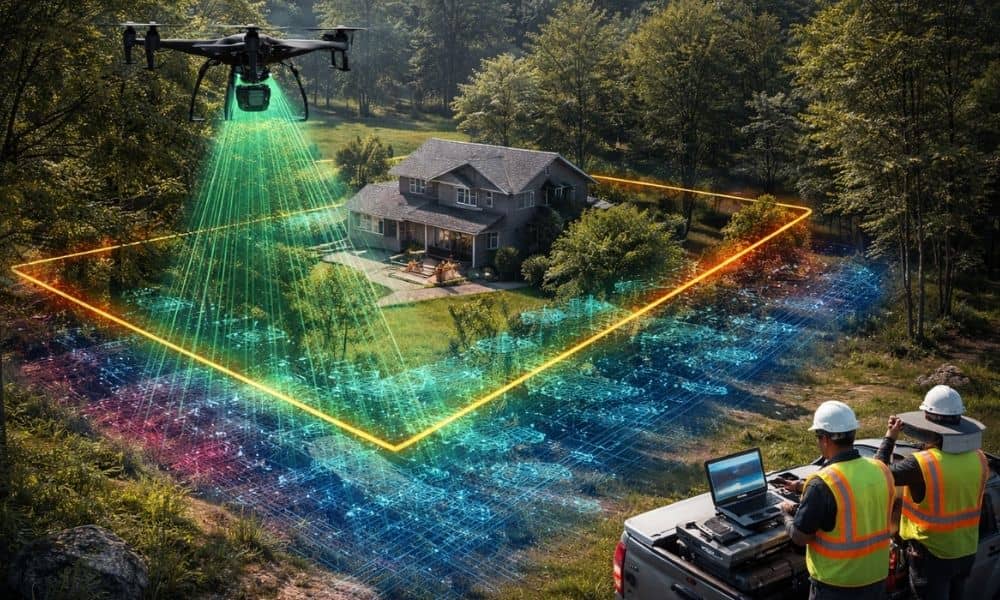
LiDAR mapping works by scanning land from the air using laser pulses. These scans can capture ground details without people ever stepping on the site. Because the process happens out of sight, it often feels harmless.
Recently, though, public attention has turned to situations where land was scanned without clear engagement or awareness. In some cases, sensitive land features were revealed and shared before stakeholders even knew data collection had happened.
Because of that, many people began asking important questions. Who approved the scan? Who controls the data? And how will it be used?
As these questions spread online, the discussion moved fast. The backlash was not about technology failure. Instead, it was about trust.
Why This Conversation Goes Beyond Research Projects
At first glance, this debate may seem limited to academic or research work. In reality, the lessons apply to everyday land projects as well.
LiDAR mapping supports land purchases, planning studies, site evaluations, and long-term investments. When data becomes part of a project record, others may rely on it later. If the source or method raises concerns, that data can lose value.
For example, if someone questions how a dataset was collected, reviewers may hesitate to accept it. That hesitation can slow approvals. It can also raise doubts during financing or legal review.
Because of this, lidar mapping now carries a new expectation. Accuracy still matters, but legitimacy matters just as much.
The Shift From “Available Data” to “Defensible Data”
In the past, many teams focused on finding the best data available. If LiDAR existed for an area, they used it. That approach saved time and reduced costs.
Now, the focus is shifting.
Defensible data means more than clean numbers. It means the data has a clear origin, a known purpose, and proper authorization. When questions arise, professionals must explain not just what the data shows, but how it came to exist.
As scrutiny grows, this distinction becomes important. Data that cannot be defended may create more problems than it solves.
How Ethical Concerns Affect Real Projects
Ethical discussions often sound abstract. However, they translate into real risks for clients.
If someone challenges LiDAR data during a review, the project may pause. If a lender questions the source, they may ask for more documentation. If neighbors dispute findings, conflicts can grow.
Each of these outcomes costs time and money.
As a result, professionals are becoming more careful. They want lidar mapping that supports decisions without opening doors to disputes later.
Why Authorization and Transparency Now Matter More
Authorization does not always mean formal permission. In many cases, it means clarity.
Who requested the scan? What was the purpose? How was the data processed? And who stands behind it?
When these answers are clear, confidence improves. When they are not, uncertainty follows.
Because of the recent backlash, many firms now document their workflows more carefully. They track sources, confirm scope, and explain how data should be used. These steps do not slow projects. Instead, they protect them.
Transparency builds trust. In today’s environment, trust is part of data quality.
What Clients Should Think About Before Using LiDAR Mapping
Clients do not need to become experts in lidar mapping. Still, they should feel comfortable asking a few basic questions.
Was the data collected for this site, or reused from another purpose? Has a qualified professional reviewed it? Can someone explain its limits as well as its strengths?
These questions help avoid surprises later. They also signal that the project team values responsible data use.
In many cases, asking early prevents problems later.
How Industry Expectations Are Quietly Changing
No new laws triggered this shift. Instead, it grew from public awareness and professional reflection.
As more people talk about data ethics, expectations rise naturally. Reviewers grow cautious. Partners ask more questions. Standards improve through practice, not regulation.
LiDAR mapping remains a powerful tool. At the same time, it now sits within a larger conversation about responsibility.
This change does not limit progress. Instead, it encourages better habits.
Why Responsible LiDAR Mapping Creates Long-Term Value
When lidar mapping follows clear and thoughtful practices, everyone benefits.
Projects move forward with fewer delays. Data stands up to review. Teams feel confident using it for design and planning.
Most importantly, responsible data reduces future conflict. It supports decisions not just today, but years from now.
As expectations change, this approach becomes a strength rather than a burden.
Final Thoughts
The recent ethical backlash around lidar mapping does not signal the end of the technology. Instead, it marks a new phase.
LiDAR mapping is evolving from a fast data source into a trusted foundation. Accuracy still matters, but responsibility now plays an equal role.
For anyone relying on land data, this shift offers a clear lesson. The best information is not only precise. It is also transparent, defensible, and built to last.
Choosing lidar mapping that meets these expectations helps protect projects, timelines, and confidence in an increasingly aware world.