Many homeowners feel shocked when their flood insurance quote arrives. The number often looks higher than expected, and the agent says, “You may need an elevation certificate.” At that point, most people rush to order one right away. However, that first step often happens too soon.
Insurance estimates often rely on assumptions, not measurements. Because of that, the quote you receive at the start may not reflect your real structure height at all. So before you schedule an elevation certificate visit, you should first understand what the insurance company actually used to build that number.
When you know what sits behind the estimate, you make smarter decisions, avoid repeat work, and move forward with more confidence.
Why Early Insurance Quotes Often Miss the Mark
Flood insurance systems move fast. They must rate thousands of properties quickly, so they rely on model data at the quote stage. That model pulls terrain averages, map layers, and area profiles. It does not measure your actual slab, floor, or ground elevation beside your home.
As a result, two nearby houses can receive very different quotes even when they look similar. The system simply fills in missing elevation details with best guesses. While that works for speed, it does not always work for accuracy.
Therefore, the first quote should never act as your final truth. It acts as a draft number built from incomplete inputs. That distinction matters because many homeowners treat the first quote as a fixed fact instead of a starting estimate.
The Map Detail Most Homeowners Skip — But Shouldn’t
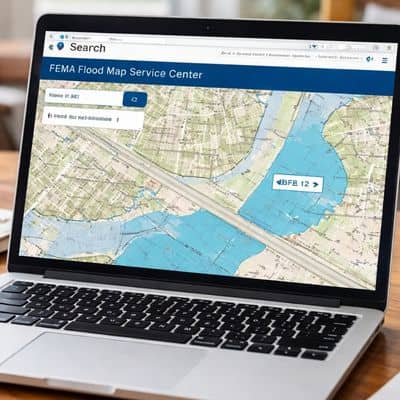
Most people check their flood zone letter and stop there. They see a label like AE or X and assume that tells the full story. However, the official flood map panel holds more useful detail than the zone label alone.
When you look up your property on the FEMA flood map panel, you often find a listed base flood elevation and a revision date. That information tells you how the rating system frames your area risk. More importantly, it gives you the same reference point the insurer uses behind the scenes.
Because of that, this simple map check changes how you talk with your agent. Instead of reacting to a quote, you discuss the actual rating reference. That leads to clearer answers and fewer surprises.
The Hidden Numbers Inside Every Quote
Every flood insurance rate depends on elevation relationships. Even when no elevation certificate exists yet, the rating model still inserts elevation values. It must — otherwise it cannot calculate risk.
So the system estimates floor height, nearby ground height, and sometimes equipment platform height. Those numbers might sit close to reality, but they can also miss by a wide margin. Even small gaps change rating brackets.
For instance, a structure that sits one foot higher than assumed can fall into a better rate category. On paper, one foot looks small. In rating formulas, that same foot carries weight. That’s why measured data later — through an elevation certificate — often shifts the final result.
However, you should first confirm what the system assumed before ordering new measurements.
Why Timing Matters More Than Most People Think
Many homeowners believe they must order an elevation certificate the moment insurance enters the conversation. In practice, timing depends on the lender, the insurer, and the underwriting path.
Sometimes the insurer rates first using model data and requests measurement later. Other times, the lender only asks for the certificate near closing. In still other cases, prior elevation records already exist and satisfy the need.
Because of that, rushing too early can lead to duplicate work. You might order one certificate, then receive a second request for updated forms or revised documentation. Instead, when you confirm timing first, you align the survey visit with the real requirement stage.
That approach saves effort and keeps the process smooth.
A Common Pensacola Pattern Homeowners Recognize
In Pensacola neighborhoods, this pattern appears often. A homeowner requests a quote and receives a high number. Concern follows quickly. The agent suggests an elevation certificate. Stress rises.
However, after a closer look, the owner checks the flood panel and finds the base flood reference. Then the owner reviews old closing documents and discovers prior elevation notes from construction. Those notes show the slab sits higher than the model assumed.
Now the discussion changes. The agent reruns the scenario using better inputs. The premium estimate adjusts before any new field measurement happens. Only then does the owner order an updated elevation certificate to lock in the verified data.
This happens more often than people expect, especially in coastal and near-coastal parcels where terrain varies slightly from lot to lot.
Better Questions Lead to Better Decisions
The fastest way to avoid confusion involves asking sharper questions early. Instead of focusing only on the premium number, focus on the elevation inputs behind it.
Ask what elevation the system used. Ask whether the quote relied on measured data or a terrain model. Ask which map panel guided the rating. These questions move the conversation from price guessing to data clarity.
When you understand the inputs, you understand the next step. Sometimes that step involves ordering an elevation certificate. Other times it involves updating records first. Either way, the decision becomes informed — not reactive.
Measure With Purpose — Not Panic
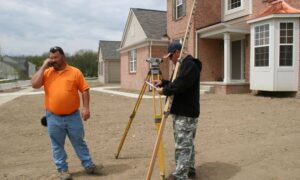
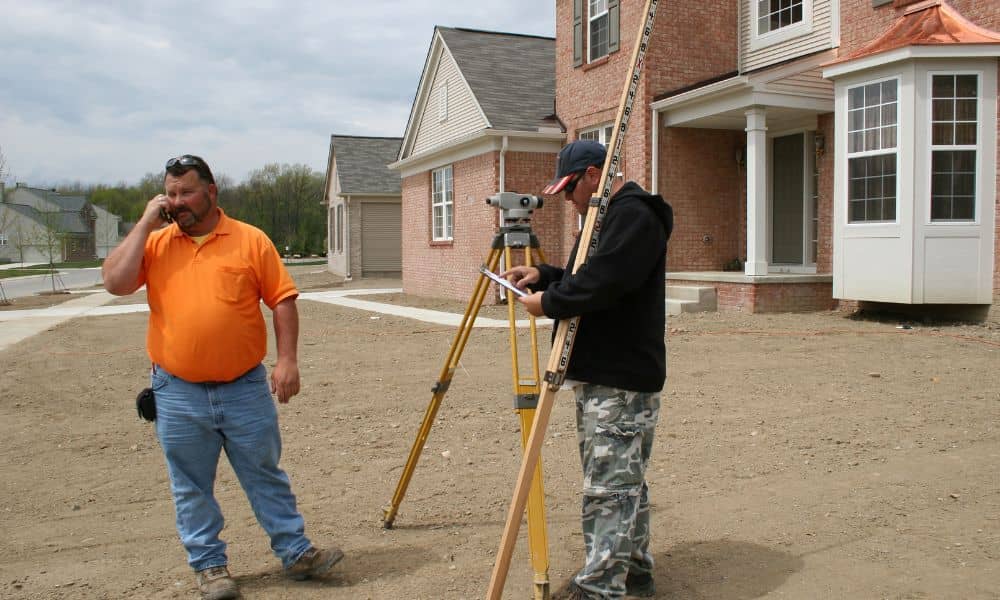
An elevation certificate serves as a precision document. Surveyors measure specific structure points, ground levels, and reference controls. That measurement carries authority because it reflects field reality, not model averages.
However, precision tools work best when used at the right moment. When you verify assumptions first, the measurement serves a clear goal. When you rush under pressure, the process often repeats.
So think of the order this way: verify, then measure. Not the other way around.
The Smarter Path Forward
Flood insurance feels complex because it mixes maps, models, and measurements. Still, homeowners who slow down and check the foundation data make better choices. They avoid duplicate surveys, prevent confusion, and reduce last-minute stress.
Insurance estimates predict. An elevation certificate proves. Between those two steps sits verification — and that step gives you control.
Before you schedule your elevation certificate, check what the estimate assumed. That small pause often makes a big difference.