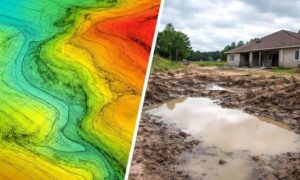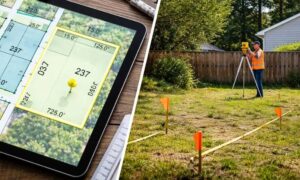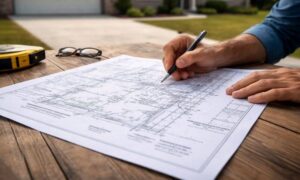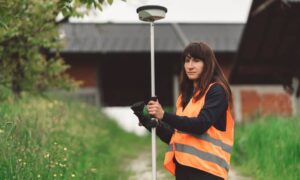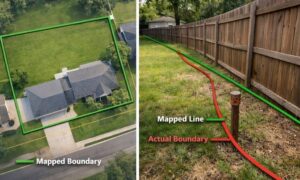
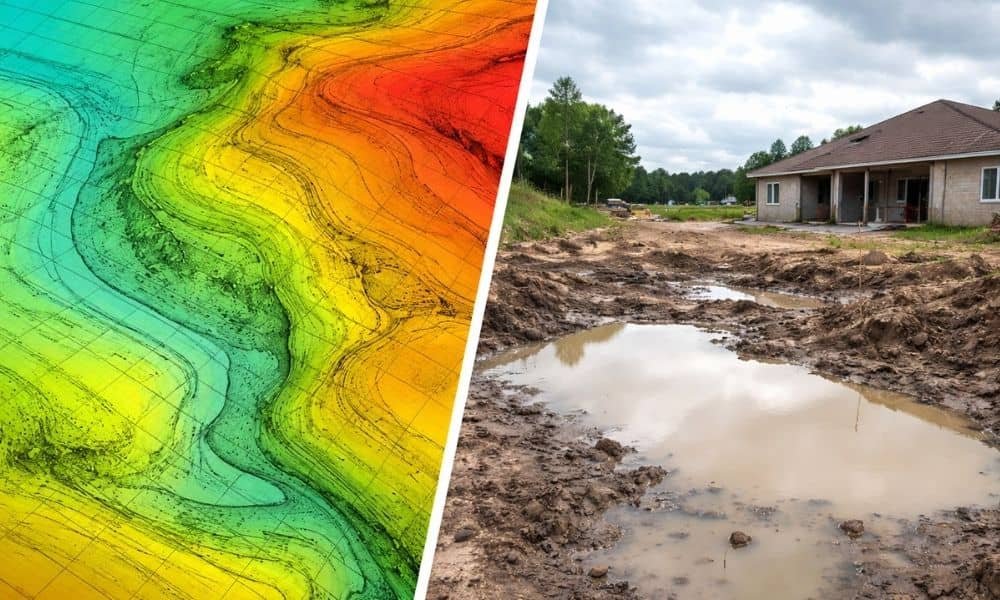
When people start planning drainage on a property, they usually turn to lidar mapping right away. It looks clean, detailed, and easy to trust, so it feels like a good place to start. It gives you a clear picture of the land, which is really how lidar mapping shows real site conditions. What most people don’t realize, though, is that it only reflects what the ground looked like at the time it was captured.
In a fast-growing place like Port St. Lucie, land doesn’t stay the same for long. New homes go up, lots get cleared, and ground levels shift. Because of that, even accurate lidar mapping can become outdated. When that happens, drainage plans can head in the wrong direction before work even starts.
The real issue is not accuracy—it’s time
Lidar mapping is known for its precision. It measures the ground using laser data and creates a detailed picture of elevation. That part is not the problem. The real concern is when the data was collected.
Think of it like a photo. A photo can be clear and sharp, but if it was taken years ago, it may not reflect what is there today. The same idea applies here. If the land has changed since the lidar mapping was done, then the data may no longer match the site.
This matters more than most people expect. Drainage depends on small elevation changes. Even a slight shift in ground level can change how water moves. So while the mapping itself may be accurate, it can still lead you in the wrong direction if it is no longer current.
Why land changes quickly in Port St. Lucie
Port St. Lucie continues to grow at a steady pace. New neighborhoods expand, vacant lots get prepared for construction, and older properties get updated. Because of this, land conditions can change faster than people realize.
For example, a lot may have been flat and untouched a few years ago. Since then, it could have been cleared, filled, or graded. Nearby construction may also change how water flows across the area. As a result, the surface you see today may not match the lidar mapping you are using.
That is why relying on older data can create problems, especially when planning drainage. What worked before may no longer work now.
Where most lidar mapping comes from
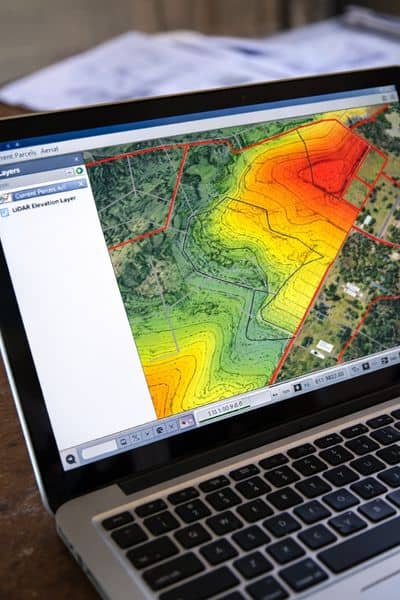
Many property owners do not realize they are using older lidar mapping. They might view property maps online or check city and county tools. Others may rely on past plans or drawings tied to the property.
These sources are helpful. They give a general understanding of the land. However, they are not always updated right away. In many cases, the lidar data behind them may be several years old.
So even though the map looks detailed, it may not reflect recent changes to the land. That gap between data and reality is where problems begin.
What to look for when something feels off
Sometimes, the signs are easy to spot once you pay attention. You may walk the property and notice things that do not match the mapping. For instance, water may collect in areas that appear flat on the map. Or the slope of the land may look different than expected.
In other cases, the changes are more subtle. The ground may have been slightly raised with fill dirt. Trees may have been removed, changing how water flows. Nearby development may also redirect runoff in ways that are not shown in the data.
These differences matter. They can affect how drainage works, even if they seem small at first.
Why nearby changes matter just as much as your lot
It is easy to focus only on your property. However, drainage does not stop at property lines. Water moves across the entire area, not just one lot.
So if nearby land has changed, your drainage plan may be affected. A new home next door may sit higher than before. A road may shift how water flows during heavy rain. A new development may change the overall drainage pattern in the neighborhood.
Because of this, even if your lot has not changed much, the surrounding area may have. That is another reason why older lidar mapping can lead to unexpected results.
When lidar mapping stops being enough
Lidar mapping is still a strong tool. It helps you understand the general shape of the land. It also gives a good starting point for planning. However, there comes a point when it is no longer enough on its own.
This usually happens when you move from planning to decision-making. When you are designing drainage, small details matter. You need to know how the land sits today, not how it looked years ago.
If the mapping is outdated, then those details may be off. That can lead to designs that do not perform as expected once built.
What can happen when you rely on outdated data
When drainage plans rely on old lidar mapping, problems often show up later. Water may not flow where it should. Instead of moving away from structures, it may collect near them. In some cases, systems need to be adjusted or rebuilt.
These issues take time and money to fix. They also cause stress during a project that could have gone smoothly. In many cases, the root of the problem is simple. The data did not match the current condition of the land.
That is why it is so important to question the timeline behind the mapping before moving forward.
A better way to approach drainage planning
Lidar mapping should still be part of the process. It offers a strong overview and helps you understand the site. However, it works best when paired with current information.
Before finalizing any drainage plan, take time to confirm that the data reflects what is actually on the ground. Look at the property, consider recent changes, and think about how the area has developed.
This approach does not replace lidar mapping. Instead, it makes it more useful. It ensures that your decisions are based on present conditions, not past ones.
Why this matters more in Port St. Lucie
Port St. Lucie has a landscape where small elevation changes make a big difference. The land is mostly flat, so even minor shifts can affect how water moves. At the same time, ongoing development continues to reshape the area.
Add in periods of heavy rain, and drainage becomes even more important. Systems need to work as expected. If they don’t, problems can show up quickly.
Because of these factors, using outdated lidar mapping carries more risk here than in other places. Staying aware of that risk helps you plan better and avoid costly mistakes.
Always check the timeline before you trust the data
Lidar mapping is powerful, but it is not timeless. The biggest risk is not that the data is wrong. The risk is that it is no longer current.
Before you move forward with drainage planning, take a moment to ask when the data was captured and what may have changed since then. That simple step can make a big difference.
In the end, good decisions come from using the right information at the right time.