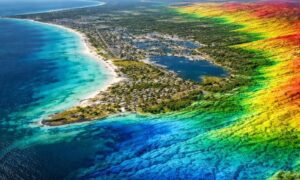
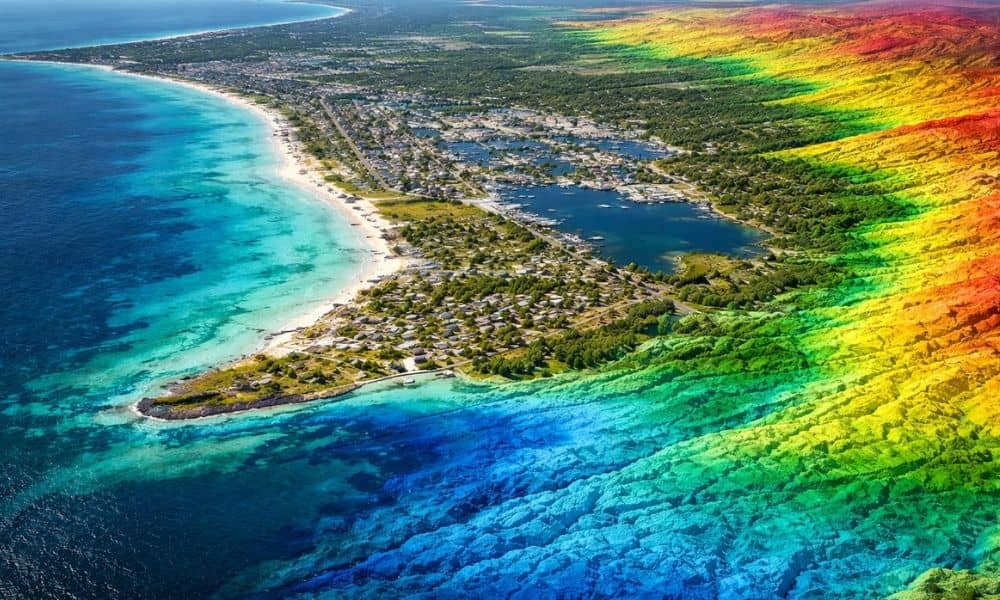
Florida is paying more attention to its coastline. Flooding, growth, and older roads and utilities are pushing the state to improve how it maps land near the shore. Because of this, state agencies are updating coastal elevation data using better tools. One clear result is the growing use of lidar mapping Pensacola FL for local projects.
For property owners, developers, and engineers, this change matters. It shows that accurate land data is now expected, not optional.
Florida’s Coastal Mapping Effort Is Raising Standards
Across the state, agencies like the Florida Department of Environmental Protection and the Florida Geographic Information Office are improving how coastal land is mapped. Their goal is to create clearer elevation data and more reliable terrain maps.
Florida’s coast faces more pressure each year. Storms are stronger, drainage systems are stressed, and new buildings keep going up. Because of this, older mapping methods no longer provide enough detail.
As the state improves its coastal data, local expectations rise too. Pensacola is already seeing this shift.
Why Pensacola Is Affected More Than Many Places
Pensacola sits close to the coast, and most of the land is flat. Even small changes in elevation can affect drainage and flood risk. When land data is not accurate, problems often appear later in a project.
Because of this, local projects depend on clear elevation data from the start. When statewide mapping improves, planners and engineers expect local data to match that level of detail. This is where LiDAR mapping becomes important.
Better state data leads to higher expectations for local work.
How LiDAR Mapping Fits Into This Change
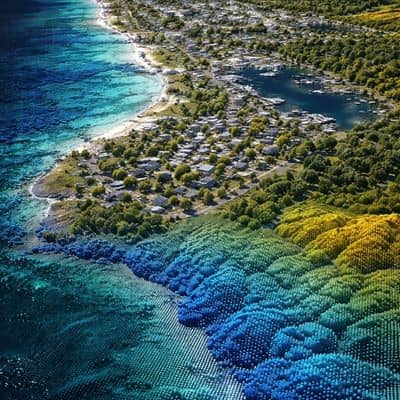
LiDAR plays a key role in Florida’s coastal mapping work. It collects elevation data quickly and accurately across large areas. Sensors gather millions of data points to create detailed land surfaces.
Statewide data gives a broad view, but it does not replace local surveys. Local LiDAR mapping adds the detail needed for real sites. It builds on public data instead of replacing it.
For Pensacola projects, this helps connect state mapping efforts with real planning needs.
What This Means for Property Owners
Property owners often notice the impact early. When planning improvements or buying land, clear elevation data helps remove guesswork.
With LiDAR mapping services, owners can better understand how their land handles water flow and elevation changes. This makes early decisions easier and more reliable.
Good land data also helps discussions with designers, lenders, and local reviewers move forward without delays.
Why Developers Are Using LiDAR More Often
Developers work with tight timelines and budgets. When land data is unclear, surprises can slow projects and raise costs.
Florida’s coastal mapping push sends a clear message that elevation accuracy matters. Many developers now use LiDAR-based mapping in the Pensacola area during early planning.
Starting with better land data helps reduce redesigns and last-minute changes. Over time, this saves time and money.
How Engineers Benefit From Better Land Data
Engineers need accurate information to design drainage, grading, and infrastructure. When elevation data is limited, designs rely on guesses. In coastal areas, those guesses can cause issues later.
Local LiDAR mapping gives engineers clear elevation data across entire sites. This helps designs match real conditions instead of estimates.
As Florida improves coastal data, engineers expect better inputs. LiDAR surveys help meet those expectations without slowing projects.
Changing Expectations at the Local Level
Even though Florida’s mapping efforts focus on large areas, they affect local reviews. Planners and reviewers become used to seeing clear and detailed elevation data.
Because of this, lower-quality submissions stand out more than before. Many projects now include LiDAR-based data early in the process.
This change does not come from new rules. It comes from higher standards.
When LiDAR Mapping Makes Sense
Not every project needs LiDAR. However, some situations benefit more than others.
Large parcels, low-lying land, and coastal properties often need detailed elevation models. Projects with drainage or grading concerns also benefit from better land data.
In these cases, LiDAR mapping for properties provides clarity early and reduces risk as projects move forward.
Turning State Data Into Local Confidence
Florida’s coastal mapping push shows where planning is heading. Better data leads to better decisions.
Statewide datasets provide helpful background, but local LiDAR surveys deliver the detail needed for real projects. Together, they support smoother planning and design.
For Pensacola projects, this combination builds confidence from the start.
Final Thoughts
Florida’s focus on coastal mapping shows how important land data has become. In Pensacola, this shift increases the value of LiDAR mapping.
As expectations rise, accurate local elevation data becomes a clear advantage. Property owners and developers who use modern LiDAR surveys stay aligned with today’s standards.
Most importantly, they move forward with fewer surprises and more confidence in a changing coastal area.